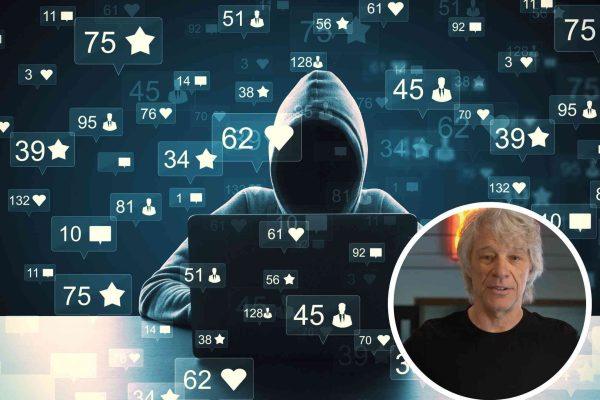
A Louisiana woman's lifelong admiration for Jon Bon Jovi turned into a financial nightmare when she fell for a sophisticated romance scam that used artificial intelligence to create convincing fake videos of the rock star. The victim, who had commented on a social media post, was soon contacted by a profile claiming to be the singer himself, promising a secret connection away from his management team.
Over several months, the scammer built a relationship based on constant messaging, small gifts sent to her home, and increasingly realistic AI-generated videos that appeared to show Bon Jovi responding directly to her. The emotional manipulation was so effective that the woman, a devoted fan, began to believe she was in a genuine romance with the musician.
The high cost of a digital illusion
As the bond deepened, the scammer introduced a story about an exclusive concert and a private meet-and-greet, requesting payments through various platforms, including cryptocurrency and direct payment apps. The financial pressure escalated quickly, and the woman eventually handed over thousands of dollars, nearly losing her home in the process.
Cybersecurity experts who investigated the case managed to trace the IP address of the fraudulent messages to Lagos, Nigeria's economic capital. The discovery shattered the romantic fantasy and revealed the international scope of such operations, which often target vulnerable individuals across the United States and beyond.
Romance scams have become one of the fastest-growing forms of fraud in North America, and the use of AI technology has made them even more convincing. As one investigator noted, “These criminals are using every tool available to create a false sense of intimacy, and the results can be devastating.”
The victim, now determined to warn others, has been sharing her story publicly, urging people to be cautious when interacting with unverified profiles online. “I never thought it could happen to me,” she said. “But these people are experts at what they do.”
For Latinos in the U.S., who often have strong ties to family and community, the emotional toll of such scams can be especially heavy. Similar cases have been reported across the country, including a Honduran woman in Florida who faced a hefty fine for an unrelated immigration issue, highlighting the financial vulnerabilities many immigrants face.
Experts advise that anyone who receives unsolicited messages from celebrities or public figures should be highly skeptical. Legitimate stars rarely initiate personal contact with fans, and requests for money or gifts are almost always red flags.
As AI technology continues to advance, the line between reality and fabrication becomes harder to discern. This case serves as a stark reminder that even the most devoted fans can be deceived, and that vigilance is essential in the digital age.