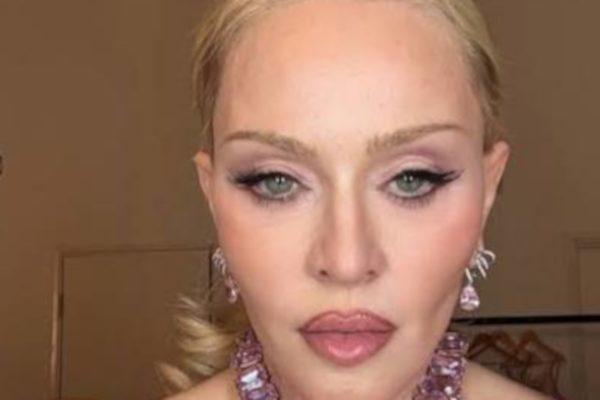
At 67, Madonna continues to dominate stages worldwide, and her recent recovery from a severe bacterial infection that landed her in the ICU in June 2023 left fans and doctors alike astonished. The pop icon has long credited her resilience to a strict macrobiotic diet, a practice she has maintained for over 30 years. Rooted in Japanese philosophy, this eating approach emphasizes whole, organic foods and has become a cornerstone of her lifestyle.
What does the macrobiotic diet involve?
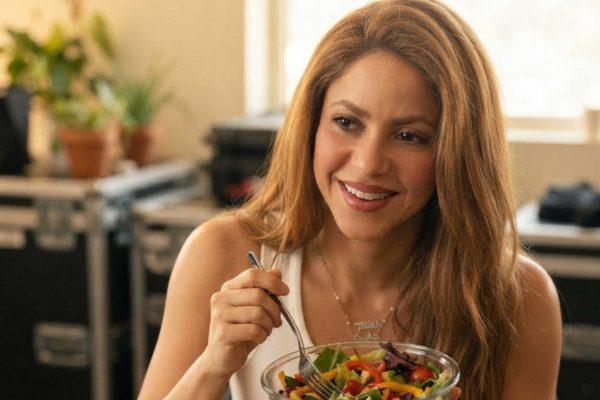
Madonna's daily meals revolve around whole grains like brown rice and quinoa, paired with seasonal vegetables such as broccoli and kale, and nutrient-dense legumes. She eats several light meals throughout the day, often accompanied by natural juices and herbal teas, which help sustain her energy during long performances and tours. This diet is not just about food choices; it's a holistic approach that prioritizes balance and harmony with nature.
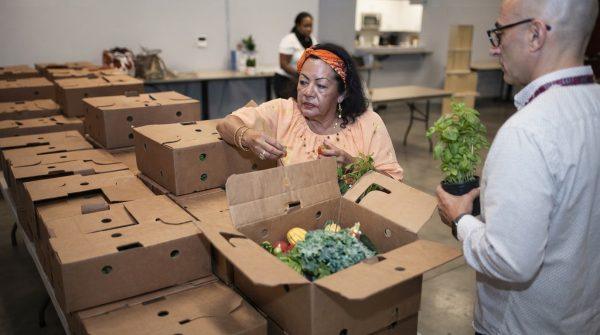
The singer strictly avoids sugar, dairy, meat, processed foods, caffeine, and alcohol. She believes these ingredients cause energy crashes by spiking blood sugar levels. Instead, she opts for healthy fats like salmon, nuts, and seeds, which provide sustained fuel. This discipline also extends to choosing organic and locally sourced products whenever possible, ensuring her body receives optimal nutrition without chemical additives.
Madonna's commitment to this regimen has made her a global wellness icon, inspiring fans to explore macrobiotic principles. Her ability to maintain high-energy performances well into her sixties is a testament to the diet's effectiveness. As she continues to tour and create music, she often shares glimpses of her meals on social media, showing that even a superstar can stick to a healthy routine.
Interestingly, Madonna's influence extends beyond music. Her dedication to health has sparked conversations about wellness in the Latino community, where traditional diets often emphasize fresh ingredients. In cities like Bogotá and México, macrobiotic restaurants have gained popularity, partly thanks to her advocacy. This cross-cultural exchange highlights how a Japanese-inspired diet can resonate with Latin American culinary traditions.
Madonna's recent health scare only reinforced her belief in the macrobiotic lifestyle. After her ICU stay, she credited her recovery to her disciplined eating and positive mindset. This resilience has inspired many, including fellow artists like Shakira, who has also embraced holistic health practices. The two icons are set to be honored at the upcoming MTV VMAs, where Madonna's enduring legacy will be celebrated.
While some critics question the strictness of such a diet, nutritionists point out that a well-planned macrobiotic regimen can be beneficial. It emphasizes whole foods and eliminates processed items, which aligns with general health guidelines. However, they caution that it requires careful planning to ensure adequate protein and vitamin B12 intake, especially for those who exclude all animal products.
Madonna's approach is not just about food; it's a lifestyle that includes meditation, yoga, and regular exercise. She often shares her routines with fans, encouraging them to find balance in their own lives. This holistic view resonates with many Latinos who value mind-body connections, as seen in traditional practices like curanderismo.
As Madonna continues to break barriers in music and health, her macrobiotic diet remains a key part of her identity. She proves that age is just a number when you nourish your body from within. Her story is a reminder that wellness is a personal journey, and sometimes, the most effective paths come from ancient traditions adapted to modern life.
For those interested in exploring macrobiotic eating, Madonna's example offers a starting point. It's not about perfection but about making conscious choices that support long-term health. As she once said, "The key to success is taking care of yourself." And for Madonna, that means a bowl of brown rice and a positive attitude.