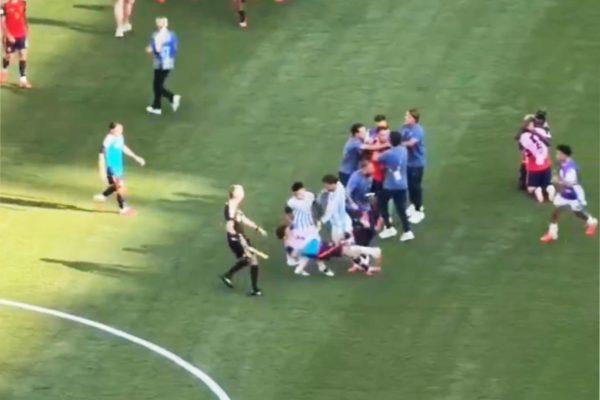
When the final whistle blew at MetLife Stadium, confirming Spain’s 1-0 victory over Argentina in the 2026 World Cup final, the pitch turned into a pressure cooker. Argentine midfielder Leandro Paredes, visibly shattered by the extra-time defeat, immediately confronted Spanish defender Eric García before turning his frustration toward Barcelona’s Gavi, who was celebrating despite not playing in the match. The exchange of words escalated quickly, forcing Argentina manager Lionel Scaloni to sprint onto the field and physically restrain his own players as teammates and coaching staff from both sides intervened to prevent a full-scale brawl.
What Sparked the Confrontation
The altercation centered on Paredes, a veteran known for his fiery temperament. After Spain’s Ferran Torres scored the decisive goal in the 106th minute—following a fluid sequence involving Pedro Porro and Nico Williams—Argentina’s frustration boiled over. The team had been playing a man down since midfielder Enzo Fernández received a straight red card for a severe tackle, leaving them vulnerable during the most critical phase of the match. Paredes, who had been on the bench, directed his anger at García and then Gavi, who exchanged heated words with the Argentine. The incident was captured by broadcast cameras and quickly went viral on social media.
Spain’s Tactical Edge and Argentina’s Disappointment
Spain’s victory, their second World Cup title after 2010, was built on Luis de la Fuente’s tactical discipline. They controlled possession and created higher-quality chances, while Argentina struggled to break through a compact defense. The red card to Fernández, a key midfielder, compounded Argentina’s difficulties. Despite a valiant effort, Lionel Messi’s squad fell short in their bid for back-to-back World Cup titles, a goal that had driven them since their 2022 triumph. The post-match chaos briefly overshadowed the trophy presentation, but it also highlighted the immense pressure on both teams.
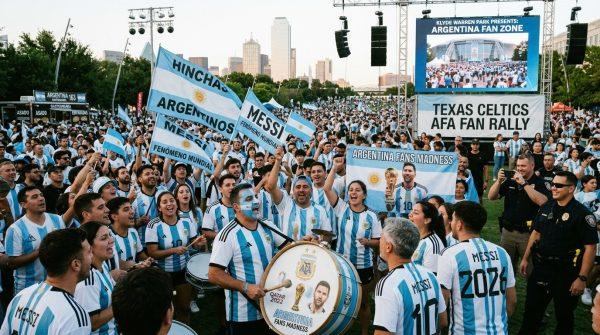
For Argentine fans, the loss stung even more given the team’s recent history. Just days earlier, Argentina had secured a dramatic semifinal win against England, a match that revived memories of the 1998 Beckham controversy and saw Giuliano Simeone start for Argentina. The team had also requested to wear their blue kit against England, a nod to 1986 and 1998. But in the final, Spain’s composure and tactical superiority proved decisive.
Paredes’ Outburst in Context
Paredes’ reaction, while extreme, reflects the emotional stakes of a World Cup final. The Argentine squad had shown remarkable discipline throughout the tournament, with minimal suspension risk heading into the semifinals. But the combination of a red card, a late goal, and the weight of expectations pushed Paredes over the edge. His clash with Gavi, a young star who didn’t even play, underscores how the tension can spill over even among players who weren’t directly involved in the action.
Spain’s victory was historic, but the images of Paredes’ outburst will linger. For Argentina, the focus now shifts to rebuilding and preparing for the next cycle. For Paredes, the incident may serve as a reminder of the fine line between passion and losing control.