For decades, Latino designers in the United States were often told to tone down their aesthetic, to fit into a mold that erased the very textures and colors that made their work unique. That era is ending. Today, a new generation of creators from across the Americas is not just asking for a seat at the table—they are building their own tables, and the industry is taking notice.
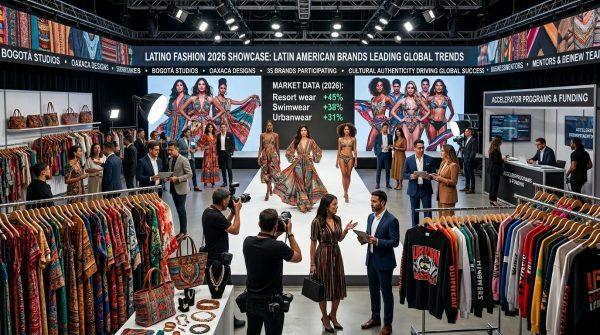
This shift is visible everywhere, from the runways of New York Fashion Week to the booming trade floors of Medellín's Colombiamoda, Latin America's largest fashion event. Colombiamoda has become a critical hub where designers from Colombia, México, Argentina, and beyond connect with U.S. buyers and media, proving that Latino fashion is not a niche—it's a powerhouse. The event draws thousands of attendees each year, and its influence on American retail is undeniable.
From Heritage to High Fashion
What sets this movement apart is its refusal to homogenize. A designer from Oaxaca brings different references than one from Buenos Aires or San Juan. The strength lies in specificity. Brands like Mimi & Meg (founded by Colombian-American sisters) and Lirika Matoshi (Kosovo-born but inspired by Latin American motifs) are gaining traction by weaving personal narratives into their collections. They are not chasing trends; they are defining them.
This authenticity resonates with a bicultural audience that craves representation beyond stereotypes. As Bad Bunny, Rosalía, and Taylor Swift have shown, cultural specificity can create global appeal. The same logic applies to fashion: when a designer from São Paulo incorporates traditional Brazilian embroidery into a modern silhouette, it speaks to both heritage and innovation.
Entrepreneurship and Economic Impact
The business side is equally compelling. Latino-owned fashion brands in the U.S. are growing at a rate that outpaces the general market, according to recent industry reports. E-commerce has lowered barriers, allowing designers in Bogotá or Ciudad de México to sell directly to customers in Los Angeles or Miami. Social media, particularly Instagram and TikTok, has become a runway where Latino creators showcase their work without gatekeepers.
This entrepreneurial wave is not limited to clothing. Accessories, footwear, and even luxury handbags are seeing a surge in Latino-led innovation. The recent appearance of Karol G at the Monaco Grand Prix, dressed in a custom piece by a Colombian designer, underscores how Latin American fashion is now part of the global luxury conversation.
Challenges and the Road Ahead
Despite the progress, hurdles remain. Access to capital and retail space is still uneven. Many Latino designers report being pigeonholed into "ethnic" categories rather than being seen as mainstream luxury or ready-to-wear. But the momentum is undeniable. Events like Latin American Fashion Summit and the rise of Latino-focused retail platforms are creating infrastructure that didn't exist a decade ago.
As the U.S. becomes more culturally diverse, the fashion industry is slowly catching up. The message from Latino designers is clear: we are not here to be included—we are here to lead. And with each collection, each collaboration, and each sold-out drop, they are proving that Latino fashion is not a trend. It is a transformation.