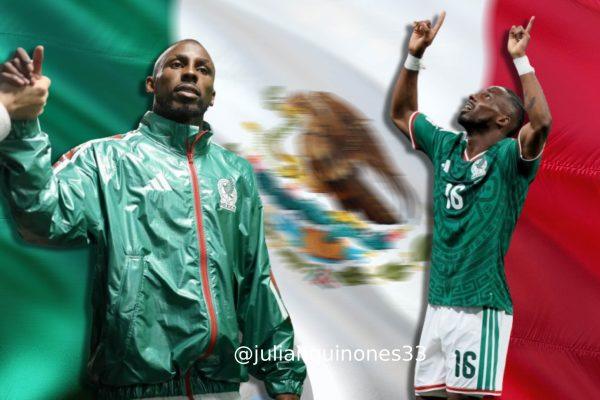
As Mexico’s run in the 2026 World Cup came to a close, striker Julián Quiñones boarded a commercial flight back to Saudi Arabia to rejoin Al-Qadsiah FC. But his departure was anything but quiet. At airports along the way, fans greeted him with sustained applause and cheers—a spontaneous show of gratitude for a player who gave everything on the pitch and, perhaps more importantly, chose Mexico as his home.
Four Goals That Echoed Legends
Quiñones delivered a performance for the ages during the tournament, scoring four goals across the group and knockout phases. That tally tied the all-time Mexican record for most goals in a single World Cup, previously set by Luis “El Matador” Hernández in France 1998 and matched by Javier “Chicharito” Hernández in South Africa 2010. For a player who only became a naturalized Mexican citizen in 2023, reaching that milestone was nothing short of extraordinary.
The forward’s clinical finishing and relentless work rate made him the focal point of Mexico’s attack. His goals weren’t just numbers—they were statements. Each one deepened the connection between a Colombian-born athlete and a nation that embraced him as its own. As his journey from rural Colombia to leading Mexico’s World Cup dream shows, this was a story years in the making.
Why Mexico? A Choice That Mattered
Quiñones’ decision to represent Mexico over his native Colombia carried weight far beyond the pitch. The Colombian Football Federation had pursued him, but he chose the naturalization pipeline and committed fully to El Tri. For many Mexican fans, that loyalty validated their own sense of national pride. In a country that has long welcomed immigrants and their descendants, seeing a star athlete actively choose Mexico felt like a powerful affirmation.
This bond was on full display during the World Cup. Quiñones didn’t just play for Mexico—he embodied the multicultural reality of the Americas. His story resonated with bicultural Latinos who navigate multiple identities daily. As Camila Cabello turned Mexico’s jersey into high-fashion street style in NYC, Quiñones turned the green jersey into a symbol of chosen belonging.
An Emotional Exit
The striker’s departure to Saudi Arabia wasn’t a quiet goodbye. Travelers at the airport recognized him, and videos circulated online showing fans clapping and chanting his name as he made his way through terminals. It was an organic, unscripted moment—a far cry from the corporate farewells that often mark athlete transfers. For a player who had just tied a national record, the public’s reaction felt like a collective plea: Don’t go.
But Quiñones had a contract to honor with Al-Qadsiah FC, a club in the Saudi Pro League that has invested heavily in international talent. His move reflects a broader trend of Latin American stars heading to the Middle East for lucrative deals, but Quiñones made it clear that his heart remains in Mexico. In social media posts, he thanked fans and emphasized that his bond with the country is permanent.
What’s Next for Mexico’s Attack?
With Quiñones gone, Mexico’s coaching staff faces the challenge of replacing a striker who delivered when it mattered most. The team’s World Cup campaign ended earlier than many hoped, but the tournament also revealed a new generation of talent. Young players like Gilberto Mora have drawn interest from European clubs, with Liverpool leading the race for the teenager. The post-Quiñones era will require a mix of veteran leadership and fresh faces.
For now, though, the conversation isn’t about tactics or transfers. It’s about gratitude. Julián Quiñones gave Mexico four goals, a record-tying performance, and a reminder that national identity isn’t always about where you’re born—it’s about where you choose to belong. And as he settles into life in Saudi Arabia, Mexican fans will be watching, waiting, and hoping that this goodbye isn’t forever.