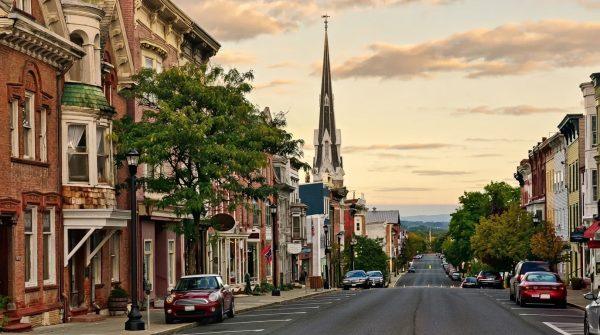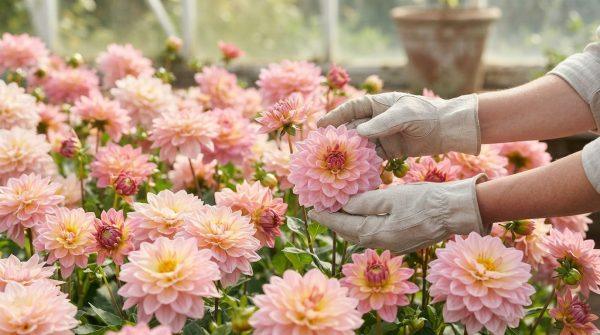
Walk through a San Francisco park in late summer and you'll see them: dahlias in every shade of fire and sunset, their geometric petals catching the coastal light. What many don't realize is that this beloved bloom carries a deep Mexican lineage—one that stretches back to the Aztec gardens of the highlands and now thrives in the Mediterranean climate of the West Coast.
San Francisco officially adopted the dahlia as its city flower in 1926, a nod to the plant's remarkable adaptation to the region's foggy, mild conditions. Today, more than 30 dahlia species grow across North America, but the Bay Area remains a particularly hospitable home. The cool marine layer that rolls in most afternoons keeps temperatures moderate, creating an ideal environment for these tubers to multiply and bloom.
Long before California's love affair with the flower, the Aztecs knew it as acocoxóchitl. They used its stems for water, its petals for color, and its tubers for food and medicine. That ancient knowledge is now informing modern science, as researchers explore the dahlia's nutritional and therapeutic potential.
More than a pretty petal
The dahlia is not just ornamental. Its tubers are packed with potassium, calcium, vitamin B6, and vitamin C. They also contain inulin, a prebiotic fiber that supports gut health and helps regulate blood sugar. In Mexico, agricultural reports have long highlighted these benefits, and now international labs are taking notice.
Studies published in the Journal of Biological Chemistry have identified flavonoids in dahlia petals—luteolin, apigenin, butein, and eriodictyol—that act as powerful antioxidants. These compounds are being studied for their ability to modulate glucose metabolism, offering hope for people managing type 2 diabetes.
But the most exciting research involves a specific flavonoid called sulfuretin, found in yellow and orange dahlias. Scientists at Oregon Health & Science University and Portland State University discovered that sulfuretin can inhibit an enzyme linked to the breakdown of hyaluronic acid, a key molecule in inflammation. In experimental models, this inhibition promoted the maturation of cells that repair myelin—the protective sheath around nerves. That could have implications for demyelinating diseases like multiple sclerosis, though researchers are careful to note that eating dahlias won't cure anything. The potential lies in future pharmaceuticals, not home remedies.
This is a reminder that traditional knowledge, passed down through generations in México, can guide cutting-edge science. The dahlia is a bridge between the botanical wisdom of the Aztecs and the laboratories of the 21st century.
Urban gardens and climate resilience
Beyond the lab, dahlias are playing a role in urban ecology. In cities like San Francisco, community gardens and botanical institutions are preserving diverse dahlia strains, recognizing that genetic variety strengthens urban biodiversity. The city's Dahlia Dell in Golden Gate Park is a living testament to this commitment, with hundreds of varieties blooming each year.
But growing dahlias in California requires care. The tubers are sensitive to frost, so gardeners must dig them up and store them over winter. It's a labor of love that connects modern urbanites to an ancient agricultural practice.
For the Latino community in California, the dahlia is more than a flower—it's a piece of heritage. It's a reminder that the migration of people also carries the migration of plants, and that those plants can find new homes and new purposes. As Mexican artists and musicians continue to shape the cultural landscape, the dahlia stands as a quiet symbol of resilience and adaptation.
So next time you see a dahlia in a California garden, take a closer look. It's not just a pretty flower—it's a living link to México's botanical heritage, a source of nutrition and medicine, and a testament to the enduring connections between the Americas.