For many Latino families across the United States, owning a home outright is the culmination of years of hard work and sacrifice. But that achievement can also make you a target for a sophisticated type of real estate scam known as title fraud. When your mortgage is paid off, there's no lien on the property—and that's exactly what criminals look for.
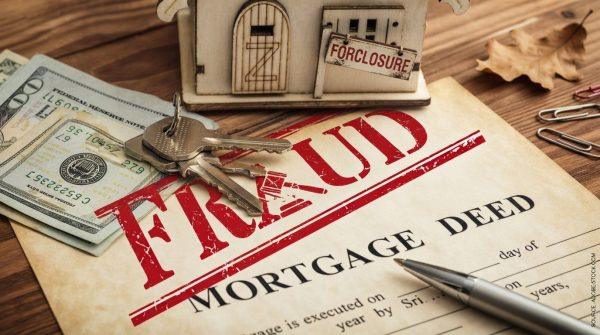
Title fraud occurs when scammers forge your signature on a deed, transfer the title to their own name, and then take out loans against the property or even sell it without your knowledge. It's a crime that can go unnoticed for months, especially if you don't live in the home year-round or if you're an older adult who doesn't regularly check public records.
While the overall number of cases is relatively low, the impact on victims is devastating. The Federal Trade Commission (FTC) warns that fraudsters often target retirees and owners of vacation homes—people who may be away for long stretches and less likely to notice suspicious activity. For Latino families who own property in multiple states or who have inherited homes in the U.S. and abroad, the risk can be even higher.
Why paid-off homes are prime targets
When a home has no mortgage, there's no bank or lender keeping an eye on the title. That makes it easier for criminals to file a forged deed without raising immediate red flags. They may also use stolen personal information—like your Social Security number or date of birth—to create fake IDs and notarize documents.
According to the U.S. Department of Housing and Urban Development (HUD), the problem escalates when homeowners neglect to protect their personal paperwork. Simple habits like leaving mail in an unsecured mailbox or carrying your Social Security card in your wallet can give scammers the opening they need.
One of the most effective defenses is owner's title insurance. Unlike the lender's policy that you may have purchased when you first bought the home, an owner's policy protects you—not the bank—against losses from title fraud or other title defects. It's a one-time cost that can save you from financial ruin.
Practical steps to protect your home
- Monitor your property records: Check your county recorder's office or local registry periodically to see if any new documents have been filed against your property. Many counties offer free online alerts.
- Sign up for title monitoring services: These services watch for any changes to your deed and notify you immediately if something looks off.
- Protect your personal information: Shred sensitive documents, use strong passwords for financial accounts, and be wary of phishing emails or phone calls asking for personal details.
- Freeze your credit: A credit freeze makes it harder for scammers to open new accounts in your name. You can also opt out of pre-approved credit offers to reduce the amount of mail that could be stolen.
- Review your credit report regularly: Look for unfamiliar accounts or inquiries that could indicate someone is using your identity.
If you do discover that your title has been fraudulently transferred, act quickly. Contact your local police, your financial institution, and the county recorder's office. You may also want to consult with a real estate attorney who can help you reclaim your property. The sooner you respond, the better your chances of recovering your home.
For Latino homeowners, especially those who have worked hard to pay off their mortgage, the thought of losing their home to a scam is terrifying. But with vigilance and the right protections, you can keep your family's legacy safe. As recent real estate fraud cases show, even large groups of investors can be caught off guard. Don't let it happen to you.
Financial literacy is also key. Many Latino communities are targeted by scams because of language barriers or lack of access to reliable information. That's why it's important to share this knowledge with your parents, grandparents, and neighbors. Scammers often use phone calls and voicemails to trick people into revealing personal information. Stay informed and stay alert.
Finally, consider talking to a trusted financial advisor or real estate professional about your specific situation. They can help you understand the risks and set up a protection plan that fits your needs. Remember, your home is more than just a building—it's a symbol of your family's hard work and a foundation for future generations. Protect it.