Hispanic Heritage Month is more than a calendar observance—it's a reminder that Latino flavors have become woven into the everyday fabric of American life. Walk through any city from Los Angeles to New York, and you'll find taco trucks, arepa stands, and cevicherías serving communities that have embraced these tastes as their own. This isn't a passing trend; it's a culinary revolution driven by decades of migration and cultural exchange.
Historians like Jeffrey M. Pilcher and research from the University of Arizona show that Latino food has permanently reshaped American eating habits. The story begins long before the recent boom, with the National Park Service tracing the roots to encounters among Indigenous, European, African, and Asian peoples. A key milestone came in 1909, when Mexican miller José Bartolomé Martínez patented a dehydrated nixtamal flour in San Antonio, laying the groundwork for the tortilla's ubiquity.
From regional staples to national favorites
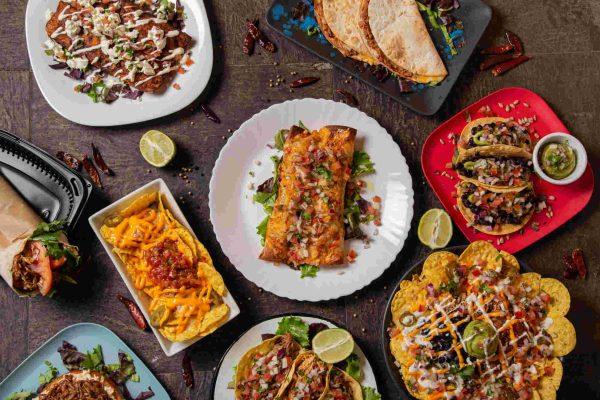
As waves of immigrants arrived from Puerto Rico, Cuba, Central America, and South America, the Latino culinary landscape expanded dramatically. Today, iconic dishes represent their homelands: tacos stand as Mexico's gift, arepas carry the pride of Venezuela and Colombia, and Peruvian ceviche—bright with lime and chile—has become a coastal classic. Empanadas appear in countless regional variations, Salvadoran pupusas are beloved from D.C. to Houston, and guacamole has earned a permanent spot on game-day tables. Caribbean sancocho, Puerto Rican arroz con gandules, and South American churrasco round out a rich tapestry that continues to evolve.
This diversity is not just a matter of nostalgia; it's a living, breathing part of American dining. Restaurants across the country report that Latino dishes are among their most popular offerings, and home cooks are increasingly experimenting with traditional recipes. The influence extends beyond ethnic enclaves, as mainstream menus incorporate these flavors in creative ways.
The tamale's tough road in commercial kitchens
Yet not every beloved dish translates easily to the restaurant business. Tamales, for instance, are a labor of love that many commercial kitchens find hard to sustain. According to Technomic's Ignite Menu data, tamale entries in Mexican restaurants dropped by 7.8% in recent years. Chef Elio Gomez and operations director Robert Mahon explain that making tamales is a multi-day artisanal process—nixtamalizing corn, grinding masa, preparing fillings, and hand-wrapping each one. The labor costs are steep, making them a special-occasion food rather than a daily menu item.
This economic reality doesn't diminish the cultural value of tamales. For many Latino families, they remain a centerpiece of holiday gatherings and community celebrations, a tradition that thrives outside the commercial sphere. As restaurants adapt to modern demands, they often find creative ways to honor these dishes—offering them as limited-time specials or reimagining them with contemporary twists.
Hispanic Heritage Month is also a time to celebrate the broader cultural contributions of Latino communities. From Google's Doodle honoring Latin music to free film screenings in New York City, the month is packed with events that showcase our heritage. For those looking to explore further, top Latino festivals and concerts offer a taste of the vibrancy that defines our communities.
At the same time, the culinary landscape continues to evolve. New restaurants like Santonia Cantina in San Antonio are blending borderland traditions with modern flair, proving that Latino food is not static but a living dialogue between past and present.
As we honor Hispanic Heritage Month, it's clear that Latino flavors are not just an addition to the American table—they are integral to its identity. From the simplest taco to the most intricate tamal, these dishes carry stories of resilience, creativity, and community. They remind us that food is more than sustenance; it's a bridge between cultures, a celebration of our shared humanity.