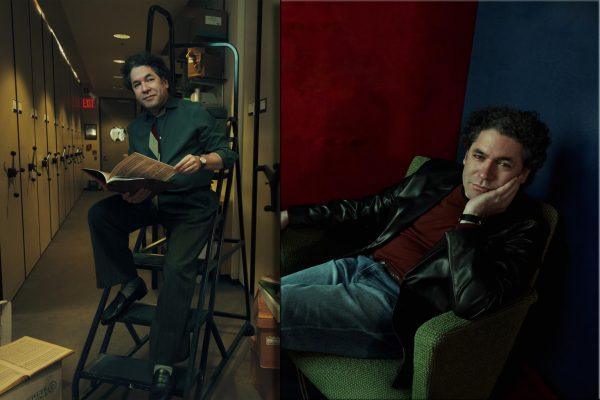
When Gustavo Dudamel steps onto the podium at Lincoln Center this fall, he won't just be leading an orchestra—he'll be opening a new chapter for one of the most storied institutions in classical music. The Venezuelan maestro officially assumes his role as the 27th Music Director of the New York Philharmonic, a position that carries the weight of history and the promise of reinvention.
Dudamel's appointment marks a milestone not only for the orchestra but for Latin American representation on the global classical stage. His vision, as outlined during the announcement, centers on community engagement, artistic openness, and cultural unity. Matías Tarnopolsky, President and CEO of the NY Phil, described Dudamel's perspective as "limitless," heralding a transformative era for the ensemble.
A season that bridges worlds
The 2026-27 season is anything but conventional. Beyond the traditional home at David Geffen Hall, Dudamel will lead performances at Radio City Music Hall and Carnegie Hall, bringing the orchestra to iconic New York venues. The schedule also marks the Philharmonic's return to Europe after a decade-long absence, with stops in Madrid, Barcelona, and Berlin—a journey Dudamel calls a deeply personal return to his artistic roots, shaped by his early work with the Simón Bolívar Symphony Orchestra in Venezuela.
This European tour is more than a series of concerts; it's a homecoming for a conductor who has always carried his Latin American heritage with pride. For audiences in Spain and Germany, it's a chance to see how Dudamel's unique blend of passion and precision has evolved since his days as a young prodigy in Caracas.
Music as a bridge for communities
Dudamel's philosophy has always been that music is a force for social change. His tenure at the Philharmonic will reflect that belief through free outdoor concerts in New York City parks and educational programs designed to make orchestral music accessible to all. "Orchestral art is a vital tool for bridging social divides," he has said, and his programming reflects that ethos.
The season will feature a three-week focus on Beethoven's masterworks, the Philharmonic's first-ever performance of Bernstein's Mass, and genre-defying collaborations aimed at attracting new audiences. This approach echoes the work Dudamel did in Los Angeles, where he left a legacy of Latino pride and musical innovation that continues to resonate.
Joaquina's landmark debut
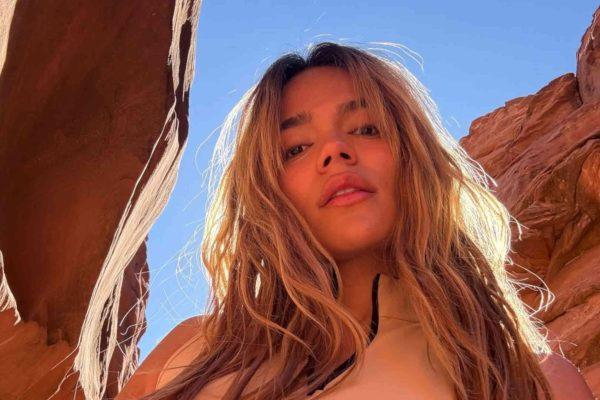
One of the most anticipated events of the season is the opening gala at Radio City Music Hall, where Venezuelan singer-songwriter Joaquina will make her debut with the Philharmonic. The Latin Grammy winner will share the stage with pop icons Lizzo and St. Vincent, performing her own compositions alongside orchestral works by George Gershwin, Philip Glass, Jessie Montgomery, and Arturo Márquez.
For Joaquina, this performance is a personal milestone and a moment of immense national pride. "To stand on that stage with Dudamel, representing Venezuela, is a dream I never dared to imagine," she said in a recent interview. The concert will also showcase the venue's cutting-edge Sphere Immersive Sound system, building on the orchestra's successful acoustic debut earlier this year.
This blend of classical and contemporary, of Latin and global, is exactly what Dudamel aims to achieve. It's a reflection of his belief that music knows no borders—a sentiment that resonates deeply with the bicultural Latino audience that has followed his career from Caracas to Los Angeles and now to New York.
As the Philharmonic enters this vibrant new era, Dudamel's leadership promises to be as much about listening as it is about conducting. His approach—rooted in mutual respect and collaborative dialogue—is already reshaping the orchestra's relationship with its city and the world. For Latino audiences, his ascent is a source of pride and a testament to the enduring power of cultural exchange.
With a season that spans continents and genres, Dudamel is not just leading an orchestra; he's building a bridge between traditions. And for anyone who has followed his journey, it's clear that this is only the beginning.