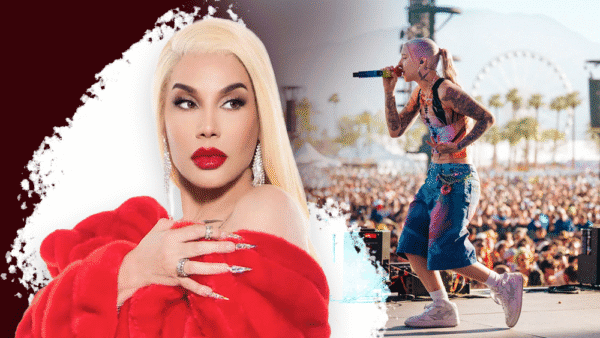
When we talk about the global impact of Puerto Rican music, the conversation is often dominated by the men who have become household names. But look closer, and you'll find that the island's most transformative and enduring sounds have consistently been driven by its women. From the foundational rhythms of bomba and plena to the chart-topping force of reggaetón and Latin pop, Puerto Rican women have not only participated in these genres—they have reinvented them, setting the pace for the entire industry.
These artists have done more than create hits; they have built legacies on their own terms. They've navigated male-dominated spaces, infused their work with powerful social commentary, and proudly carried their Afro-Caribbean heritage onto the world stage. Their stories are not a sidebar to Puerto Rican music history—they are its essential, beating heart.
The Architects of Sound
To understand the landscape, you must start with the pioneers. In the 1990s, as reggaetón emerged from the underground, it was largely a closed circuit. Ivy Queen, born Martha Ivelisse Pesante Rodríguez in Añasco, crashed through those barriers. As part of the influential collective The Noise, she carved out a space with an unapologetic voice and fierce persona. Anthems like "Yo Quiero Bailar" were cultural reset buttons, asserting a woman's right to own her body and her pleasure on the dance floor. She earned the title "La Caballota," and her influence echoes in every female voice that has followed in urbano.
Simultaneously, the world of salsa—another genre with deep patriarchal roots—was being transformed by La India. Born Linda Viera Caballero in Río Piedras, her powerful voice and Afro-Puerto Rican identity became her signature. Collaborating with giants like Eddie Palmieri, she delivered timeless classics such as "Ese Hombre." Her artistry demonstrated that salsa could be a vehicle for a woman's strength and passion, blending tradition with modern influences from house to pop.
Then there is the phenomenon of Jennifer Lopez. While her Bronx upbringing is central to her story, her Puerto Rican roots are the bedrock of her identity. Lopez transcended categories, becoming the first artist to have a number-one album and film in the same week. She leveraged her platform from the "Selena" biopic into a multi-industry empire, proving that a Latina could be the main event in Hollywood and on the pop charts, forever altering the ceiling of what was possible.
Storytellers and Truth-Tellers
Beyond the dance floor, other artists have used music as a medium for intimate storytelling and social critique. Kany García, from Toa Baja, stands as one of the most revered singer-songwriters of her generation. Her music, often anchored in acoustic guitar, delves into love, loss, and feminism with a raw vulnerability. A multiple Latin Grammy winner, García proves that profound emotional resonance doesn't require booming dembow; sometimes, the quietest notes speak the loudest.
Artists like iLe (formerly of Calle 13) and Calma Carmona have used their platforms to address issues from gender violence to the celebration of Afro-Latinidad. Their work underscores that for many Puerto Rican women musicians, artistry and activism are inseparable. This tradition of speaking truth to power is a critical thread connecting the legends to the new vanguard. For more on the essential narratives of Afro-Latinx identity in culture, explore our piece on why Black history demands more than a month.
The New Vanguard Redefines the Rules
Today, a fearless new generation is building upon this foundation, explicitly challenging the genre's historical constraints. Villano Antillano, a non-binary rapper from Bayamón, has become a seismic force. Their explosive appearance on "Bzrp Music Sessions, Vol. 51" was a declaration of existence, blending razor-sharp flow with themes of queer empowerment and social critique. Villano Antillano isn't just making music within reggaetón; they are actively expanding its very definition and who it represents.
Similarly, Young Miko brings a laid-back, genre-fluid style to trap and R&B. With hits like "Classy 101," she represents a new wave of queer artists in urbano who are normalizing diverse identities with effortless cool. Her success signals a market eager for authenticity and new perspectives.
The conversation around language and identity also finds a unique voice in artist RaiNao, who playfully explores the untranslatable nature of Puerto Rican slang. Her work is a celebration of cultural specificity, a reminder that the island's influence is as much in its lexicon as its rhythms. Dive deeper into this linguistic pride in our feature, RaiNao Explains Why Puerto Rican Slang Defies Translation.
A Legacy of Influence
The journey from Ivy Queen to Villano Antillano is not a straight line but a widening circle. Each artist has opened doors, shattered stereotypes, and added new layers to the rich tapestry of Puerto Rican music. They have moved from seeking a seat at the table to redesigning the table itself. Their collective work addresses feminism, LGBTQ+ rights, racial justice, and complex national identity, reflecting the island's dynamic spirit.
This evolution mirrors broader cultural shifts across the Americas, where artists are embracing their multifaceted identities. To understand how other genres have been shaped by cross-border collaboration, consider the insights in Reggaeton's Roots: A Shared History Beyond Puerto Rico vs. Panama.
The story of Puerto Rican women in music is ultimately one of resilience and revolutionary creativity. They have been the constant innovators, the soulful narrators, and the bold futurists. To listen to them is to hear the true sound of Puerto Rico—past, present, and future.