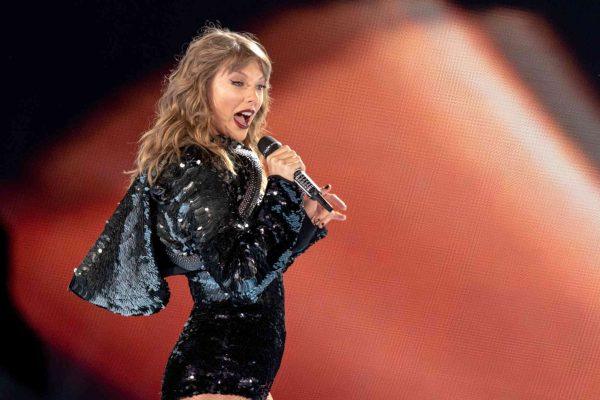
For millions of fans across the Americas, Taylor Swift's music has been the soundtrack to their own romantic fantasies. But beneath the catchy hooks and stadium-filling choruses lies a fascinating narrative thread: the evolution of how she writes about marriage. From the cardboard altars of her teenage years to the complex emotional landscapes of her recent albums, Swift has given us a masterclass in how commitment can be explored through song.
It's no secret that the world is watching Swift's relationship with Kansas City Chiefs star Travis Kelce with bated breath. Rumors of a wedding have swirled for months, fueled by everything from a castle-themed party at Madison Square Garden to reports of a prenuptial agreement. But for those who have followed her music closely, this moment feels less like a surprise and more like the culmination of a story she's been writing for nearly two decades.
From Innocence to Experience: The Early Years
When Swift released her self-titled debut album in 2006, marriage was a distant, almost mythical concept. Songs like "Mary's Song (Oh My My My)" painted a picture of lifelong love with the wide-eyed optimism of a teenager who had yet to encounter life's complications. By the time Fearless arrived in 2008, tracks like "Love Story" had turned marriage into a fairy-tale destination—a balcony scene where Romeo and Juliet could finally get their happy ending.
But even then, there were hints of doubt. "Fifteen," also from that album, captured the social pressure young women feel to find love, a theme that would deepen over time. With Speak Now (2010), Swift began to question the altar itself. The title track imagines interrupting a wedding, suggesting that marriage isn't always the right answer—a radical idea for a country-pop star at the height of her fame.
Commitment as a Conscious Choice
As Swift matured, so did her perspective. On Red (2012), "Starlight" imagined marriage as a shared utopia, but it was a fleeting dream. By the time Lover arrived in 2019, she had stripped the institution of its fairy-tale trappings. "Paper Rings" celebrates a love that doesn't need diamonds or grand gestures—just a partner willing to show up. "It's Nice to Have a Friend" finds beauty in the quiet, everyday moments of a long-term relationship.
Then came Folklore and Evermore, where Swift's songwriting reached new heights of emotional complexity. "Champagne Problems" (2020) is a devastating portrait of a proposal gone wrong, where the narrator can't say yes despite loving her partner. It's a song that resonates deeply in a world where marriage is no longer the only path to happiness.
The Question of Identity
On Midnights (2022), Swift turned her lens inward. "Lavender Haze" explicitly rejects the pressure to marry, while "Midnight Rain" contrasts the desire for stability with the pull of personal ambition. These songs ask a question that many Latinas, especially those navigating bicultural identities, will recognize: Can you have both a committed partnership and a sense of self?
Her most recent work, The Tortured Poets Department (2024), continues this exploration. Tracks like "But Daddy I Love Him" and "You're Losing Me" depict commitment as a high-stakes game between desire and external pressure. It's a far cry from the innocence of "Love Story," but it feels more honest—and more relatable.
For a bicultural Latino audience, Swift's journey mirrors a broader cultural conversation. In many Latin American households, marriage is still seen as a milestone, a marker of success. But younger generations are increasingly questioning that narrative, choosing to define love on their own terms. Swift's music gives voice to that tension, making her one of the most important chroniclers of modern romance.
As the world speculates about her next steps with Kelce, one thing is clear: Swift has already written the story of her own evolution. Whether she walks down the aisle or not, her songs have given us a roadmap of what it means to grow up, fall in love, and decide what kind of commitment we truly want. And that, perhaps, is the real happy ending.