What we now call the Super Bowl of fashion began as a quiet charity dinner. In 1948, publicist Eleanor Lambert organized a midnight meal at the Rockefeller Center to support the Metropolitan Museum of Art's Costume Institute. Guests paid just $50 to attend — a far cry from the six-figure tables and months-long waiting lists that define the event today.
The real transformation came in 1973, when former Vogue editor Diana Vreeland took over. She introduced annual themes that turned the red carpet into a living gallery and moved the runway to the museum's iconic steps. That shift turned a local fundraiser into a global spectacle where culture, money, and strategy collide.
Anna Wintour's Reign and the Art of Fashion
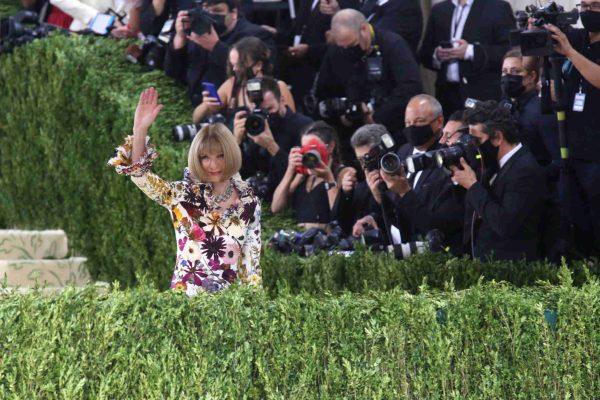
Since Anna Wintour assumed leadership in 1995, the Met Gala has been locked to the first Monday of May as the unofficial start of New York's social season. Her control is absolute: she curates the guest list, enforces a strict no-phones policy at the dinner, and ensures every detail serves the Costume Institute's mission. Under her watch, the gala has raised more than $280 million, making the institute entirely self-funded.
For 2026, the theme is Costume Art, curated by Andrew Bolton. The exhibition will feature 200 pieces that explore the body from anatomical and social perspectives, pushing fashion beyond clothing into the realm of plastic art. It's a bold statement that fashion design deserves the same critical attention as painting or sculpture.
The economic engine behind the glamour is just as important as the dresses. The gala's success has inspired institutions like the Victoria and Albert Museum in London to adopt similar fundraising models. Sponsors like Jeff Bezos and the dreamlike sets designed by Colombian artist Raúl Ávila — a longtime Met Gala collaborator — help transform the event into a living gallery. Ávila's work, often inspired by Latin American textures and colors, reminds us that the gala's global reach includes voices from Bogotá, Buenos Aires, and beyond.
This year's theme also connects to broader conversations about fashion as heritage. The 2026 Met Gala declares fashion is art, demanding that attendees treat their outfits as living sculptures. It's a fitting evolution for an event that started as a small dinner and now defines the power dynamics of international fashion.
For Latino audiences, the Met Gala offers a window into how our cultures are represented — or sometimes misrepresented — on a global stage. From the Galán sisters bringing Argentine elegance to the Met Opera and New York Fashion, to Colombian designer Raúl Ávila shaping the gala's visual identity, Latin American talent is woven into the event's fabric. The gala is not just a New York affair; it's a mirror of how fashion travels across borders.
As the 2026 edition approaches, the Met Gala reminds us that fashion is never just about clothes. It's about power, money, and the stories we choose to tell. And for those of us who grew up between cultures, it's also a reminder that our aesthetics — from Mexican embroidery to Brazilian carnival — have a place on the world's most exclusive red carpet.