Florida's coastal waters are a battleground, and this summer, the divers won a major victory. In a record-breaking underwater hunt, more than 500 divers pulled 36,187 venomous lionfish from the Atlantic, a haul that exceeded last year's catch by over 5,000. The annual tournament, organized by the Florida Fish and Wildlife Conservation Commission, is more than a competition—it's a critical defense of the region's coral reefs and native marine life.
A community united against an invasive predator
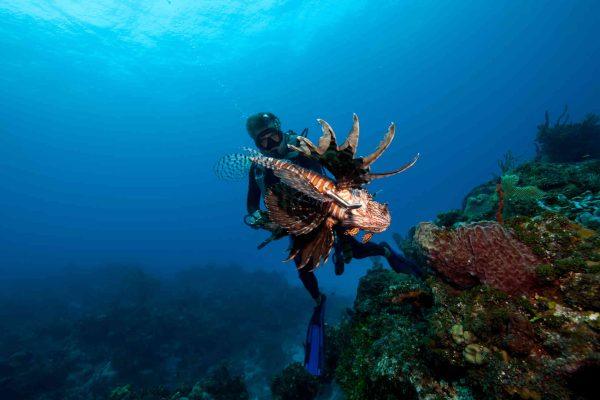
The lionfish, with its striking stripes and venomous spines, is a beautiful but deadly intruder. First spotted off Dania Beach in the 1980s, it has since spread across the Gulf of Mexico and the Caribbean, with no natural predators to keep it in check. Its appetite for native fish and crustaceans has devastated local ecosystems, making human intervention essential.
This year's hunt, which took place over the summer, saw hundreds of vessels fan out across Florida's waters. The sheer scale of the effort—36,187 lionfish removed—speaks to the dedication of the diving community. For many participants, it's a point of pride and a way to give back to the ocean they love.
“This is about protecting our reefs for the next generation,” said one diver, echoing the sentiment of many. The tournament has become a rallying point for conservation-minded Floridians, and the results are a testament to what collective action can achieve.
Champions of the deep
Among the standout performers were Hunter Ledbetter, a military veteran from Monroe County, who took the top prize by single-handedly removing over 1,500 lionfish. His tally edged out last year's winner by just one fish, a margin that highlights the intense competition. Helen Rodney claimed the women's title with 1,488 removals, showcasing remarkable skill and endurance.
These hunters are more than just competitors; they are stewards of the sea. Their efforts are closely watched by marine biologists, who see the tournament as a vital tool in managing the lionfish population. The data collected during the hunt helps researchers understand the spread of the species and the effectiveness of removal strategies.
The success of this year's event has inspired similar initiatives across the region. From the waters off the Florida coast to the wider Caribbean, communities are recognizing the importance of active management. The lionfish may be here to stay, but with continued effort, its impact can be mitigated.
A lingering threat
Despite the record-breaking haul, experts caution that the battle is far from over. Lionfish reproduce rapidly and can thrive in a variety of conditions, making them a persistent challenge. The venomous spines that make them dangerous to humans also protect them from potential predators, leaving few natural checks on their population.
“We're making a difference, but we can't let our guard down,” said a spokesperson for the conservation commission. The tournament is just one part of a broader strategy that includes public education and encouraging recreational divers to report sightings.
For the Latino community in Florida, many of whom have deep ties to the sea, this issue resonates strongly. The health of the ocean is intertwined with cultural identity, from the fishing traditions of the Caribbean to the coastal cuisine of the Gulf. Protecting these waters is not just an environmental concern—it's a way of life.
As the sun sets over the Atlantic, the divers who took part in this year's hunt can look back with pride. They have made a tangible difference, and their efforts serve as an inspiration. The lionfish may be a formidable foe, but the people of Florida have shown that they are up to the challenge.
For those interested in getting involved, the Florida Fish and Wildlife Conservation Commission offers resources and training for future hunts. The next tournament is already being planned, and organizers hope to build on this year's success. With continued community support, the reefs of Florida can remain vibrant and healthy for years to come.