This autumn, New York City becomes a vibrant canvas of marigolds, papel picado, and memory as the New York Botanical Garden (NYBG) transforms its grounds into a grand Día de los Muertos celebration. Running from October 3 through November 2, the exhibition offers families a chance to honor loved ones through traditional Mexican ofrendas, live music, and hands-on workshops.
Michaela Wright, the exhibition director, opened the event by underscoring the cultural weight of preserving these ancient customs in the United States. “This is more than a display,” she said. “It’s a living tradition that connects thousands of New Yorkers to their roots.” Indeed, the garden has become a gathering point for the city’s Latino community, with attendance expected to exceed 50,000 visitors over the month.
Ofrendas at the Heart of the Garden
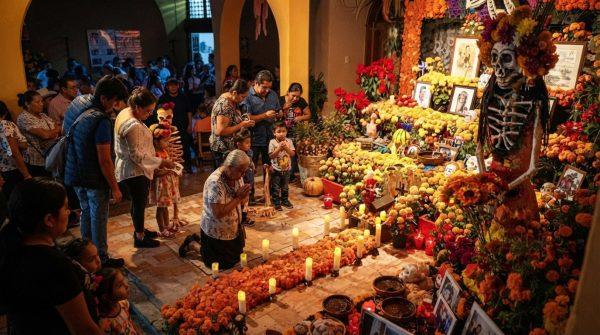
The centerpiece of the exhibition is the community altar, curated by Bronx-based artist Blanka Amezkua. This multi-tiered ofrenda, located in the garden’s historic conservatory, is adorned with cempasúchil petals, photographs, and personal mementos. According to ancestral belief, the vibrant orange of the marigold guides souls back to the world of the living, making the altar a spiritual beacon for those who have passed.
Visitors strolling the autumn trail will encounter monumental structures decorated with intricate skulls, handcrafted alebrijes, and a towering Catrina figure covered in flowers. These elements, rooted in Mesoamerican iconography, are not just decorative—they carry deep symbolic meaning, as experts from the Bronx Museum of the Arts explain. For many migrants, these displays serve as a safe space for communal mourning, allowing them to maintain a tangible link to their heritage amid the city’s relentless pace.
NYBG has also integrated native plants and monarch butterflies into the exhibition, highlighting the ecological ties between the garden and Mexico’s natural landscapes. Workshops teach traditional crafting techniques, from making paper banners to sculpting clay figurines, ensuring that these skills pass to younger generations.
Cultural Roots and Regional Resonance
Día de los Muertos, traditionally observed on November 1 and 2, is a profound spiritual pillar in Mexico, blending indigenous rituals with Catholic traditions. Similar celebrations occur across Central America and parts of South America, each with its own regional flavor. In New York, the festival has become a bridge for the diaspora, reinforcing transnational ties and keeping ancestral memory alive.
“This is how we stay connected to our roots,” said Amezkua. “The ofrenda is a way to say, ‘We remember, and we are still here.’” Cultural historians note that such traditions elevate Latin American visibility on the global stage, proving that remembrance is a vibrant cornerstone of modern identity.
Family Activities and Artistic Expressions
Throughout October, families can participate in creative workshops where they learn to build their own altars using traditional materials. Local musicians perform folkloric melodies on weekends, setting a festive mood along the botanical trail. Giant puppets parade the pathways, delighting younger attendees, while local artisans display colorful alebrijes inspired by the garden’s wildlife.
Visitors also contribute to the community memory by writing personal dedications on memory cards, which are placed on the main altar. This collective act of remembrance transforms grief into vibrant artistic expression, as NYU researchers have documented, noting that participation in such festivities boosts emotional well-being and strengthens intergenerational bonds.
Closing Parade and Lasting Impact
The celebration culminates on November 1 with a grand parade featuring dancers, musicians, and families marching across the garden’s spacious walkways. The final day includes food tastings and multigenerational stage performances, eagerly anticipated by the community. For many, this event has become an indispensable reference point for understanding the positive impact of Mexican traditions on urban life in New York.
As the marigold petals fade and the altars are dismantled, the sense of belonging lingers. The NYBG’s Día de los Muertos exhibition proves that collective memory transcends geographical borders, offering a profound connection to heritage that lasts well beyond the season. For those looking to explore more Latino cultural moments, check out Stanley's Día de Muertos collection or see how Mexican acts are dominating the U.S. concert circuit this month.