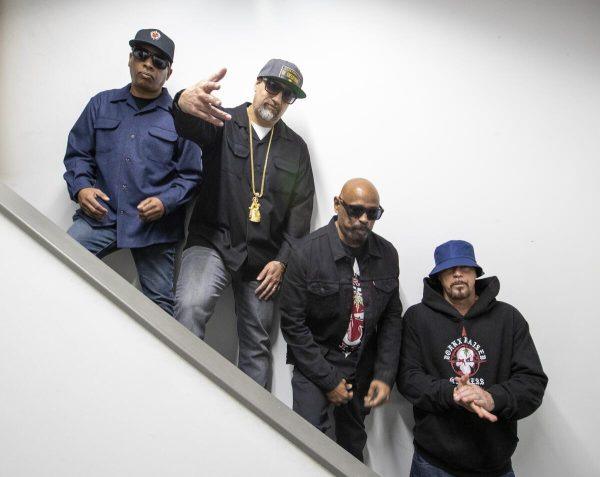
When Cypress Hill announced Dios Bendiga, longtime fans had one immediate question: hadn't they already done this? It felt like they had. B-Real has spit verses in Spanish for years, Sen Dog has flowed between English and español since the group's earliest days, and their live shows have always been a celebration of Latino culture. Yet this is indeed their first studio album built entirely in Spanish.
Not the first Spanish record, just the first one made that way
The confusion is understandable. In 1999, Cypress Hill released Los Grandes Éxitos en Español, leading many to assume they'd already crossed that bridge. But that project was a compilation of Spanish-language versions of existing hits, not a new album. Dios Bendiga is different: every track was written and recorded specifically in Spanish, with no translations or revisits. For a group that has flown the Latino flag since the early '90s, it's a surprisingly historic moment.
So why now? The easy answer is that the music industry has changed. Thirty years ago, a full Spanish-language rap album in the U.S. would have been a commercial gamble, even for Cypress Hill. Labels wanted crossover hits in English. Today, Spanish-language music dominates global charts—Bad Bunny packs stadiums, Peso Pluma tops playlists, and Fuerza Regida rules streaming. The landscape is unrecognizable. But that's only part of the story.
Listening to Dios Bendiga, it never sounds like the group is chasing a trend. If anything, they're catching up with themselves. B-Real has said the project is about honoring their heritage, not chasing algorithms or streaming numbers. You can hear it in the record's relaxed confidence—no pressure to make a crossover hit, no attempt to sound younger. Just veterans making the album they probably could have made years ago, but maybe weren't ready to.
Old school meets new school
One of the album's coolest elements is how naturally it connects different generations of Latino hip-hop. Having Mellow Man Ace on board isn't just another feature; it's symbolic. Long before Latin rap went mainstream, Mellow Man Ace was proving that bilingual hip-hop belonged in American music. Pairing him with Cypress Hill feels less like a collaboration and more like a reunion. The appearances by Demrick, Krooked Treez, and Scoop DeVille continue that idea, mixing pioneers with artists carrying the culture forward.
The album also arrives at a moment when Latino identity in music is celebrated openly, not hidden. In the early '90s, being proudly Latino inside mainstream hip-hop meant swimming against the current. Today, artists like Karol G and Rosalía headline festivals and dominate awards. That shift is part of why Dios Bendiga doesn't feel late—it feels earned.
There's something poetic about Cypress Hill waiting this long. They spent more than three decades building one of hip-hop's most recognizable legacies, and only after doing that did they decide to make a record entirely in the language that shaped them from the beginning. For fans who grew up with their bilingual anthems, this album is a homecoming. For younger listeners discovering them through Dios Bendiga, it's a reminder that Latino hip-hop has deep roots—and that Cypress Hill helped plant them.
As B-Real put it, this project is about honoring where they come from. In a music world that often rewards speed and novelty, Dios Bendiga stands as a testament to patience, authenticity, and the enduring power of speaking your own language.