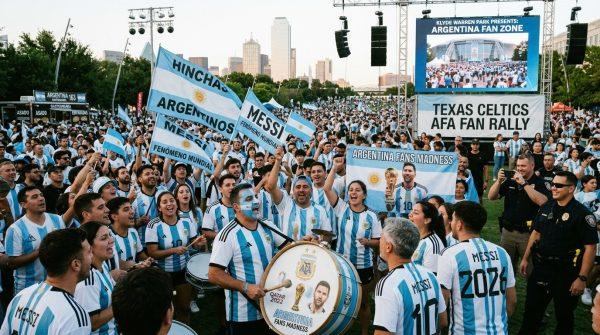
In Colombia, the yellow jersey worn by the national soccer team has long been a source of pride. But during the recent presidential election, it became something else entirely: a political banner. Right-wing candidate Abelardo de la Espriella adopted the jersey as his official campaign uniform, and thousands of his supporters wore it at rallies. His leftist opponent, Senator Iván Cepeda, criticized the move, arguing that the jersey belongs to all Colombians and should not be used as a partisan symbol. De la Espriella went on to win a narrow victory, but the debate over the jersey's role in the election continues.
A Symbol of National Identity
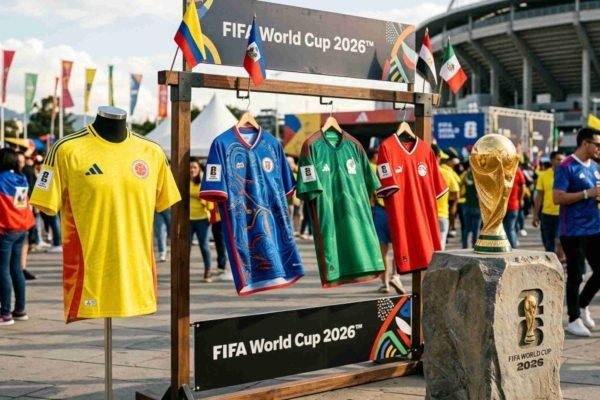
The controversy over Colombia's jersey is part of a broader trend. Across the Americas, soccer jerseys are increasingly being used as political statements. In Haiti, the national team's return to the 2026 World Cup after a long absence was overshadowed by a dispute with FIFA. The governing body forced Haiti to modify its jersey design because it included silhouettes inspired by the Haitian Revolution and figures like Jean-Jacques Dessalines. FIFA deemed these elements too political, sparking outrage among Haitians who see the jersey as a symbol of their history and resilience.
Similarly, Egypt's national team was told to remove stars commemorating their Africa Cup of Nations victories from their jerseys. FIFA's rules only allow stars for World Cup wins, a policy that many see as erasing non-European football achievements. These incidents show how the world's most popular sport is also a battleground for cultural and political expression.
Mexico's Artisanal Controversy
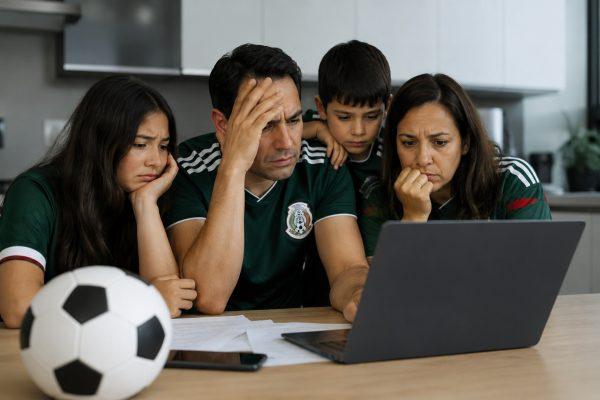
Even Mexico, one of the host nations for the 2026 World Cup, has faced its own jersey controversy. The green jersey was designed to honor Aztec culture and was embroidered by hand by Nahua women from Naupan. But activists accused the manufacturers of exploiting these artisans, pointing out that they earned little while the companies profited from their work. The complaints went viral on TikTok, highlighting the tension between cultural appreciation and exploitation. Many of the artisans said they were not allowed to use their traditional sewing methods, further fueling the backlash.
These controversies are not isolated. They reflect a deeper struggle over who gets to define national identity and how symbols like jerseys are used. For Latinos in the diaspora, these debates resonate strongly. The jersey is more than a piece of clothing; it is a connection to home, to history, and to a shared sense of belonging. As Sofía Vergara and Shakira celebrated Colombian pride in Los Angeles, the jersey controversy reminded us that even the most unifying symbols can become divisive.
The 2026 World Cup is still two years away, but the battles over jerseys are already shaping the conversation. From Colombia to Haiti to Mexico, the question remains: can a sports garment ever be truly apolitical? In a region where soccer and politics are deeply intertwined, the answer seems to be no.