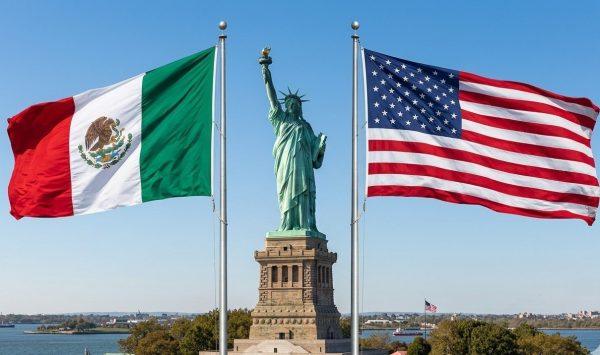
Every May 5th, streets across the United States fill with the colors of the Mexican flag: green, white, and red. For many, it's a day of margaritas, mariachi music, and tacos. But beneath the festive surface lies a deeper story—one of courage, identity, and a cultural bridge that connects two nations.
Contrary to popular belief, Cinco de Mayo is not Mexico's Independence Day (that's September 16th). Instead, it marks the anniversary of the Battle of Puebla, fought on May 5, 1862, when Mexican forces under General Ignacio Zaragoza defeated a much larger and better-equipped French army. That victory, though not decisive in the long war, became a powerful symbol of resistance and national pride.
How a Battle Became a U.S. Celebration
In Mexico, Cinco de Mayo is observed mainly in the state of Puebla with military parades and historical reenactments. It's a respectful, low-key affair. But north of the border, the date took on a different life. During the 1950s and 1960s, Mexican-American communities in California, Texas, and the Southwest began using Cinco de Mayo as a platform to assert their cultural heritage and push back against discrimination.
What started as a grassroots effort to celebrate Mexican roots gradually grew into a nationwide festival. Today, cities like Los Angeles, San Antonio, and Chicago host massive parades and block parties. The holiday has become a cultural bridge that invites people of all backgrounds to appreciate Mexican music, food, and art. It's a moment when the U.S. pauses to recognize the contributions of its Mexican and Mexican-American communities.
This evolution mirrors other moments when immigrant communities have used celebrations to claim space and visibility. For a parallel, consider why the US celebrates Labor Day in September while the world marks May 1st—another example of how holidays can take on distinct meanings in different cultural contexts.
The Flavors of the Fiesta
No Cinco de Mayo gathering is complete without a feast. Mexican gastronomy is the heart of the celebration, and the menu goes far beyond the standard taco bar. Authentic dishes like chiles rellenos, tlacoyos, and pambazos showcase the regional diversity of Mexican cooking. Guacamole, of course, is a must—but try it with fresh tortilla chips and a squeeze of lime.
When it comes to drinks, the margarita remains the star, but the Paloma—tequila mixed with grapefruit soda—offers a refreshing alternative. For the adventurous, a Cantarito served in a clay jar or a Michelada spiced with clamato and chili adds a creative twist. And if you're feeling inventive, a “Ronchata” (rum with horchata) blends two beloved flavors into one.
These culinary traditions are more than just party food. They represent a living connection to Mexico's diverse regions—from the coastal seafood of Veracruz to the moles of Oaxaca and the street food of México City. Each bite tells a story of migration, adaptation, and pride.
More Than a Party
Celebrating Cinco de Mayo can also be an act of cultural appreciation. Instead of just heading to a bar, consider visiting a local museum that highlights Mexican history, supporting a Latino-owned restaurant, or attending a community event that features traditional dance and music. The goal is to honor the resilience and joy that Mexican heritage has brought to the U.S. social fabric.
Artists like Thalía have used their platforms to celebrate Mexican roots on global stages, reminding us that this culture is not a monolith but a rich tapestry of influences from Indigenous, European, and African traditions. Similarly, the rise of Latino athletes in U.S. sports—like Fernando Mendoza—shows how Mexican-American identity continues to shape American life.
So this May 5th, as you raise a glass or bite into a taco, remember that you're part of a tradition that goes beyond the party. It's a celebration of a people who, against the odds, turned a historic battle into a lasting symbol of unity and pride.