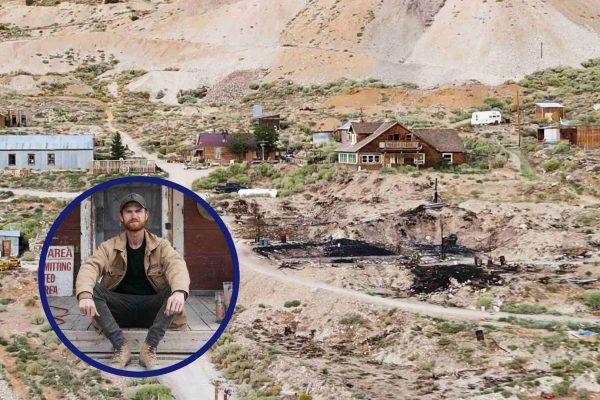
In the rugged Inyo Mountains of California, a ghost town is getting a second chance. Brent Underwood, an entrepreneur with a background in hospitality, purchased Cerro Gordo in 2018 for $1.4 million. The 300-acre property includes 22 historic structures that have survived over a century of harsh desert conditions. Underwood's vision: transform this abandoned silver mining town into a living history destination.
From Austin hostel to mountain ghost town
Before Cerro Gordo, Underwood ran a successful hostel in Austin, Texas. His bid for the town beat out higher offers because he promised to preserve its historic character rather than develop it for commercial gain. To fund the purchase, he used his life savings, took out personal loans, and partnered with close financial backers.
Cerro Gordo was founded in 1865 after the discovery of massive silver deposits. At its peak in the 1870s, nearly 4,000 people lived there, and the town produced over $500 million in silver and lead. But falling mineral prices and repeated fires led to its decline, and the town was eventually left with a single caretaker until Underwood took over.
The isolation is part of the charm and the challenge. Located 25 miles from Lone Pine along unpaved mountain roads, the property has no permanent running water. Underwood moved there full-time in March 2020, documenting his restoration journey on his YouTube channel Ghost Town Living and in a 2024 book.
Rebuilding after the fire
In June 2020, a fire destroyed the historic American Hotel, built in 1871, which was central to Underwood's hospitality plans. Investigators blamed faulty century-old wiring and vintage newspaper insulation. Despite the setback, Underwood pivoted from restoration to rebuilding the hotel from scratch. Construction was completed in 2025, despite extreme weather and water logistics. Work continues on the remaining cabins, with the goal of welcoming overnight guests to experience living history.
Underwood's project is part of a broader trend of reviving historic towns in California. For example, Campo, another historic town, is on the market for $6.6 million. While not every ghost town gets a second life, Underwood's dedication shows how entrepreneurial spirit can preserve the past.
For Latinos, this story resonates with a deep appreciation for heritage and community. Many of us come from cultures where history is alive in the streets, plazas, and buildings. Underwood's approach—respecting the original character while adapting for modern use—mirrors how Latino communities often revitalize neighborhoods without erasing their identity.
As Underwood nears his goal, he's also navigating California's complex regulations and infrastructure issues. The state's housing boom has created demographic shifts that affect rural areas, as this analysis shows. But for Cerro Gordo, the future looks bright: a place where visitors can step back in time and see how the West was won—and how it can be preserved.
Underwood's journey is a testament to the power of long-term vision. He's not just rebuilding a town; he's creating a destination that honors the miners and families who once called Cerro Gordo home. And in doing so, he's proving that even the most remote corners of California can have a vibrant future.