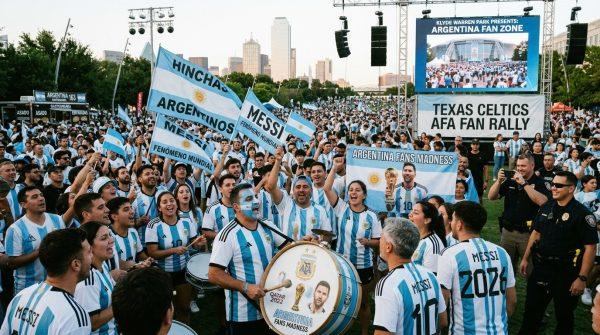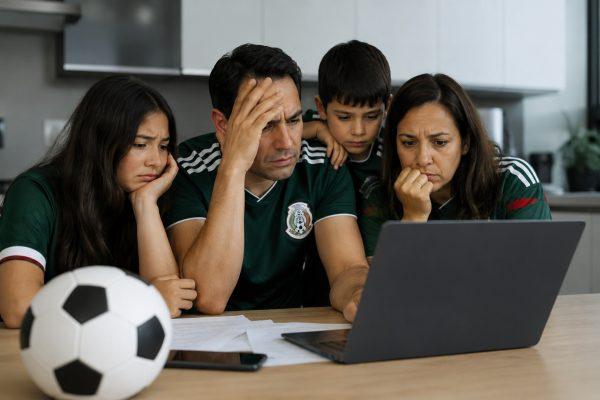
For the first time in nearly a decade, Argentina enters a World Cup not as the hunter, but as the hunted. The reigning champions from Qatar 2022 land in North America for the 2026 tournament carrying the weight of a target on their backs. Every federation will be gunning for them, and the psychological shift from chasing glory to defending it is a challenge the technical staff is well aware of.
Group J pits Argentina against Algeria, Austria, and Jordan—three opponents with distinct styles that will test the Albiceleste's tactical flexibility. The opener on Wednesday, June 11 at 03:00 local time is against Algeria, a physically rugged side known for their relentless pressing. That early kickoff will demand sharp focus from a squad that thrives on rhythm and possession.
Key Group Stage Fixtures
The second match on Monday, June 22 at 19:00 is widely seen as the group's toughest test: Austria. A tactically disciplined European outfit with a strong midfield, Austria could exploit any lapses in Argentina's defensive structure. The group stage wraps up on Sunday, June 28 at 04:00 against Jordan, a team that will look to counterattack and frustrate the South Americans.
Lionel Messi, now 38, anchors a roster that has remained remarkably stable since their World Cup triumph. The core of Julián Álvarez, Lautaro Martínez, Rodrigo De Paul, Enzo Fernández, Alexis Mac Allister, and Cristian Romero provides a blend of elite European experience and emotional resilience. This continuity is Argentina's greatest strength—they know each other's movements, and the system is second nature.
But questions linger about Messi's minutes. After a recent hamstring injury that sidelined him for ten days, the coaching staff will manage his workload carefully. Still, his leadership on and off the pitch remains irreplaceable. As one analyst put it, "Messi's presence alone shifts the psychological balance of any match."
The broader narrative for Argentina isn't about whether they can advance—it's about how long they can sustain their winning drive. Defending a World Cup is historically rare; only two nations have done it in the modern era. This golden generation must find a blank mental canvas, untainted by past success, to write a new chapter.
Off the pitch, the tournament also brings cultural moments. The 2026 edition is co-hosted by the United States, Canada, and Mexico, meaning matches will be played in cities with large Latino communities. For many fans, this is a homecoming of sorts—a chance to see their heroes on familiar soil. The energy in stadiums from Los Angeles to Mexico City will be electric.
Argentina's path is clear, but the road to a repeat is anything but easy. The world will be watching every pass, every tackle, every goal. For Messi and his teammates, the only way to silence the noise is to keep winning.