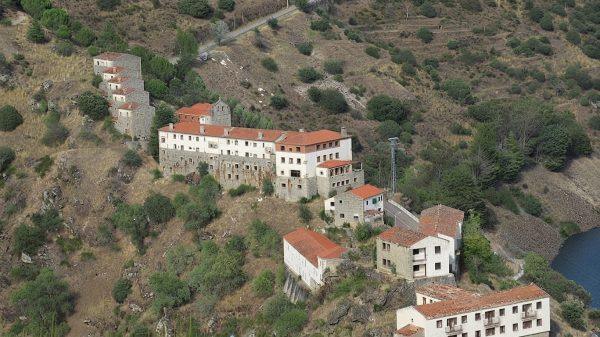
In the quiet expanse of Spain's northwestern countryside, near the Portuguese border, sits Salto de Castro—a village that time forgot. Built in the 1950s to house workers constructing a hydroelectric dam, it was fully abandoned by the late 1980s. Now, an American entrepreneur and his partner have purchased the entire settlement for €350,000, sparking a bold experiment in rural revival.
Jason Lee Beckwith and his partner closed the deal on Salto de Castro, located within the Arribes del Duero Natural Park in the province of Zamora. The property includes 44 residential buildings, a school, a former civil guard barracks, and a hospitality complex. Their vision: transform this ghost town into a sustainable tourism destination that honors its history while attracting visitors seeking an authentic slice of rural Spain.
A two-stage plan for a forgotten village
The new owners have outlined a meticulous restoration strategy. The first phase focuses on the village's spiritual and social heart—the church and the hospitality facilities—before moving on to modernize the surrounding homes. This phased approach aims to create a functional, welcoming space without erasing the character that makes Salto de Castro unique.
Local authorities are watching closely. Sergio López, mayor of the neighboring municipality of Fonfría, has been in talks with the buyers to ensure the project aligns with regional architectural standards and aesthetic guidelines. "We want to preserve the essence of our heritage while allowing for modern, eco-friendly amenities," López said in a statement. The collaboration between private investors and public officials is seen as crucial to the project's success.
From dam workers to empty streets
Salto de Castro's story is a microcosm of rural Spain's broader depopulation crisis. The village was built by the energy company Iberdrola to house workers building a dam on the Duero River. At its peak, it buzzed with activity—families, children, a school, a church. But as the dam neared completion, the workers moved on, and by the late 1980s, the last residents had left. Iberdrola put the property on the market in 2000, but previous attempts to sell it fell through.
The Arribes del Duero Natural Park, with its dramatic river canyons and diverse wildlife, offers immense potential for outdoor recreation and ecological tourism. The new owners aim to tap into that, positioning Salto de Castro as a base for hikers, birdwatchers, and travelers looking to escape the crowded coastal resorts.
Economic hopes and community concerns
Local observers are cautiously optimistic. The influx of tourists could bring much-needed revenue to a region that has seen its population dwindle for decades. However, there are concerns about the impact on the surrounding communities. "We need to ensure that this development benefits everyone, not just the investors," said a local resident who preferred to remain anonymous. "We don't want Salto de Castro to become a gated enclave for foreigners."
International real estate experts note that this trend is not isolated. Across Europe, abandoned villages are being snapped up by investors looking for affordable properties with historical charm. The key, they say, is to balance economic development with cultural preservation. "These projects can breathe new life into dying communities, but they require careful planning and community engagement," said urban planning analyst María Fernández, based in Madrid.
For now, the future of Salto de Castro hangs in the balance. The restoration will take years, and success is not guaranteed. But the project has already ignited a conversation about how to revitalize rural Spain—and who gets to shape its future. As the new owners prepare to break ground, the eyes of Zamora—and beyond—are watching.
This story echoes other efforts to repurpose abandoned spaces, such as a Missouri airport discovering decades-old cars in its parking lot. And for those planning a trip to Spain, the 2026 solar eclipse might offer another reason to visit the region. Meanwhile, similar dynamics of rural transformation are playing out across the Atlantic, as seen in Texas highway projects that stir local concerns.