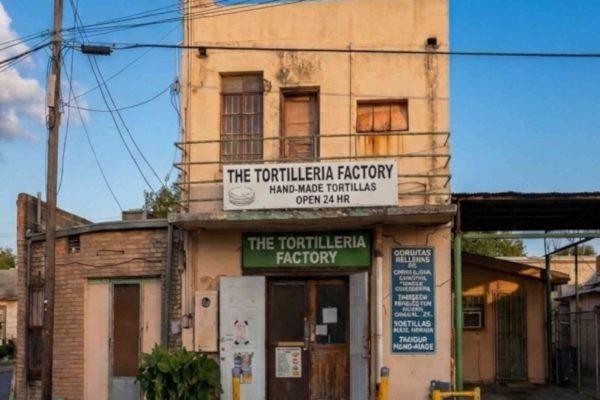
In the border city of McAllen, Texas, a small tortillería has become more than just a place to buy fresh tortillas. The Tortilleria Factory, also known as El Pocito, has been serving handmade corn and flour tortillas since 1912, preserving a family legacy that spans over a century. At 66, Irma González runs the shop with her three daughters, grinding corn daily in traditional mills and accepting only cash, just as the original owners did.
The weathered facade and wooden doors of the establishment hint at its long history. Inside, the aroma of fresh masa fills the air, and customers can order gorditas stuffed with stewed meat or picadillo. For many in McAllen, this place is a touchstone—a spot where they came as children and now bring their own grandchildren. It’s a living link to their roots, a reminder of home and heritage.
Facing economic and social pressures
But keeping this tradition alive hasn’t been easy. The Tortilleria Factory has faced significant challenges in recent years. Rising costs for basic supplies have squeezed margins, and the fear of immigration enforcement operations by ICE has kept many Latino families indoors. The constant police raids and federal presence have emptied the streets of McAllen, drastically reducing foot traffic and hurting local businesses.
Despite these hardships, Irma and her daughters have chosen to absorb the cost of inflation rather than raise prices. They want to keep their tortillas affordable for the community that has supported them for generations. This act of solidarity is a quiet defiance against the economic and political pressures that threaten small businesses along the border.
The situation in McAllen is part of a broader trend affecting Latino communities across Texas. As Latino voters reshape the political landscape, local businesses like The Tortilleria Factory are navigating an uncertain future. The upcoming elections could bring changes, but for now, the focus remains on survival and continuity.
A family bond that sustains the legacy
The heart of The Tortilleria Factory is the family itself. Irma’s three daughters grew up in the kitchen, learning the art of tortilla-making from their mother and grandmother. They inherited not just the recipes but a passion for the craft. The shop is also where Irma and her late husband met decades ago, when they both worked as waiters for the previous owners—relatives of the family.
Surrounded by religious imagery, including the Virgin of Guadalupe, and historical memorabilia, these four Latina women embody resilience. They see their work as more than a job; it’s a way of honoring their ancestors and preserving a piece of Mexican culture in the United States. For them, the tortillería is a symbol of honest labor and cultural pride.
As Texas continues to debate its future, with issues like sports betting and casino legalization on the ballot, the fate of small businesses like The Tortilleria Factory hangs in the balance. But for now, the doors remain open, and the tortillas keep coming out hot and fresh.
For those who have grown up in the Rio Grande Valley, this tortillería is a reminder that some things are worth preserving. It’s a place where the past and present meet, where the aroma of corn masa tells a story of survival. And as long as Irma and her daughters have anything to say about it, that story will continue for another hundred years.