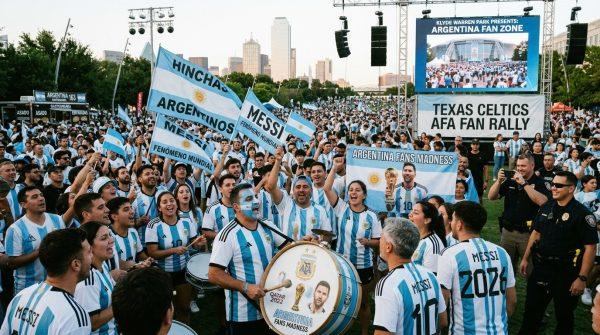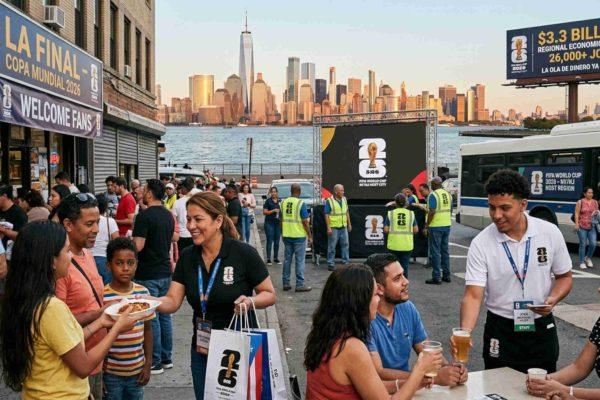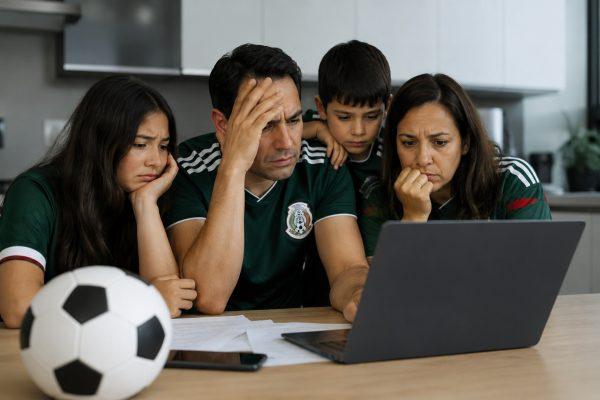
The excitement for the 2026 FIFA World Cup—the largest in history with 104 matches and 48 teams—is being overshadowed by a growing controversy over costs. From mandatory tips in restaurants to ticket prices that can exceed $1,000, many fans are questioning whether the tournament is becoming an exclusive event for the wealthy, leaving behind the very communities that give football its soul.
Mandatory Tips: A New Rule for Tourists
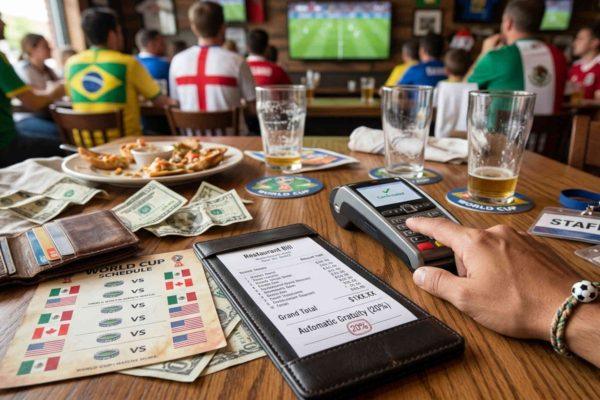
In the United States, tipping is a deeply ingrained custom, but the arrival of millions of international visitors—many from countries where tipping is not expected—has led some businesses to take drastic measures. Restaurants and bars in host cities like Kansas City, which expects around 650,000 visitors during the tournament, are adding a mandatory tip surcharge of up to 20% to bills. This policy, recommended by local restaurant associations, aims to ensure that waitstaff are compensated even if tourists are unaware of the tipping culture.
The reaction on social media has been swift and fierce. On forums like Reddit, fans have labeled the measure as “American greed” and a form of price gouging. Many argue that businesses will already profit from the massive influx of customers and that forcing an additional charge is an abuse of hospitality. For Latino fans, who often travel from countries like México, Colombia, or Argentina where tipping is voluntary or included, this feels like an unfair penalty.
Ticket Prices: A Barrier for the Average Fan
Beyond the cost of dining, access to the stadiums themselves is becoming an almost insurmountable obstacle for many. Reports indicate that base ticket prices start at $700 and can easily exceed $1,000. Even British Prime Minister Keir Starmer has called on FIFA to make prices more affordable, warning that the tournament risks losing contact with the true fans who give life to the sport.
For families and young people who traditionally save for years to witness a World Cup, these prices are prohibitive. The concern is that the 2026 World Cup will become a luxury experience, pushing away the working-class fans who are the backbone of football culture across Latin America and the diaspora. As one fan from Buenos Aires posted on X, “This is not the World Cup we dreamed of. It’s a business event for the rich.”
Global Backlash and the Latino Perspective
The discontent is not limited to the US. Across Latin America, where football is a passion that transcends class, the news has been met with anger and disappointment. Many see the mandatory tips and high ticket prices as a reflection of a broader trend: the commercialization of a sport that once belonged to the people. On Reddit and other platforms, users are sharing stories of how they are reconsidering their travel plans or opting to watch the matches from home.
This tension between hospitality and profitability is likely to be one of the hottest topics as we approach June 11, 2026. Travelers, especially those from Latin America, will need to prepare much more robust budgets than anticipated. For those looking to save on other expenses, it's worth noting that US housing prices have dropped in Florida and beyond, which might offer some relief for those planning extended stays.
Meanwhile, the debate over mandatory tips has also drawn comparisons to other high-demand events. For instance, Karol G's Tropitour presale sparked a frenzy as fans rushed for tickets, but at least there, the pricing was transparent. The World Cup situation feels different—more like a bait-and-switch.
As the tournament draws nearer, the question remains: will FIFA and US organizers listen to the outcry, or will the 2026 World Cup be remembered as the one that priced out the very fans who made it great? For now, the Latino community and global fans are watching closely, and they are not happy.