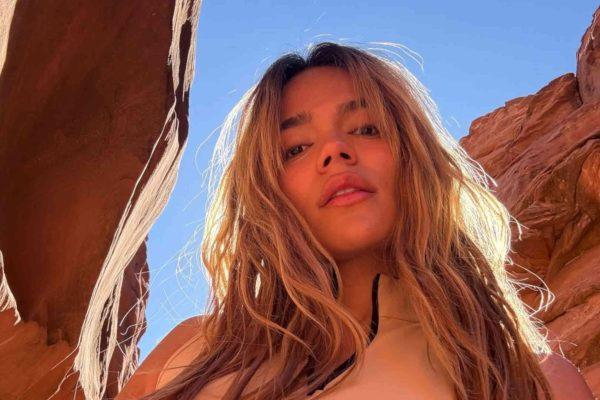
Picture an artist whose presence commands the stage with the confidence of a classic film star and the vibrant energy of contemporary pop. Dressed in distinctive baquera attire, she embodies a fusion of tradition and modernity. This is Victoria La Mala, a singer whose artistic journey is as compelling as her powerful vocals.
From Victoria Ortiz to Victoria La Mala
Behind the stage name is Victoria Ortiz, whose musical roots were planted in the rich soil of her family's heritage. Her father hails from Culiacán, Sinaloa, while her mother is from Tonaya, Jalisco. This dual cultural lineage provided the foundation for her deep connection to Mexican sounds.
Her childhood home in México was filled with the passionate strains of ranchera music from her mother, while visits with her aunts in the United States introduced her to smooth R&B. This blend of mariachi soul and contemporary rhythm became the unconscious blueprint for her future sound.
After high school, Ortiz moved to New York with dreams of crafting pop and R&B tracks infused with Spanglish lyrics. Yet, a persistent nostalgia for her homeland and its traditions began to pull her in a different direction. She realized her true calling wasn't just to make music, but to champion and reinvent the sounds of her culture for a new generation.
A Defining "No" and a New Name
Her resolve was tested early by industry gatekeepers. "You shouldn't be trying to make Mexican music; no one wants to hear a woman. You should just marry a rich man," she was told. Instead of retreating, this dismissal ignited her determination.
Seeking inspiration, she studied formidable Caribbean artists like the iconic Puerto Rican singer Olga Tañón. Tañón's strength resonated deeply, particularly her hit "Ahora Soy Mala." Ortiz recorded her own rendition in Guadalajara and tirelessly shared it. The breakthrough came when renowned Mexican music executive Pepe Garza invited her to a talent show in Los Angeles.
Her first album, released under her birth name, featured that pivotal song. Listeners requesting "the La Mala song" on radio stations inspired her new artistic identity. Victoria La Mala was born, christened by her very fans.
The Sound of Empowerment
Victoria La Mala's music pulses with themes of self-worth and authenticity. She seamlessly merges ranchera, banda, and cumbia with R&B grooves, creating a sound that is both familiar and strikingly fresh. She describes it as "a mix of Mexican mainstream culture, good energy, empowerment, and good vibes."
Her artistic evolution mirrors a broader movement in Latin music where artists are confidently blending genres and personal narratives, much like Karol G's genre-defining tours or the cross-cultural fusions explored by global stars.
Motherhood and a New Chapter
Becoming a mother marked a profound shift in her life's rhythm. She intentionally stepped away from the spotlight for two years to focus on her son, a decision she discusses with refreshing honesty. She speaks openly about the immense pressure placed on women, particularly Latina mothers, to perfectly manage household, career, and family.
"Nothing is ever perfectly balanced," she reflects. "The important thing is to focus on what matters most in the moment and be kind to yourself through it all." This journey of balancing personal and professional life is a shared experience for many in the diaspora, akin to the stories of Latino families navigating major life transitions.
Now, she is preparing to release new music—her first full project since embracing motherhood. She promises a version of herself that is more powerful, grounded, and authentic than ever.
Victoria La Mala's story is more than a musical biography; it's a statement. It proves that tradition and innovation can coexist, that Latinas define their own paths, and that sometimes, being "mala" simply means being fearless enough to write your own rules.