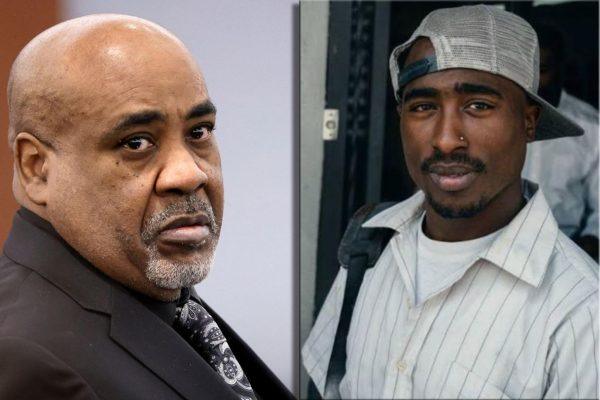
More than three decades after a drive-by shooting on the Las Vegas Strip silenced one of hip-hop's most influential voices, a courtroom finally delivered a measure of justice. On Tuesday, a Nevada judge sentenced Duane “Keffe D” Davis to 40 years to life in prison for his role in the 1996 murder of Tupac Shakur. The ruling marks the first and only conviction tied to a killing that has haunted the music world and fueled countless theories.
A long-awaited verdict
Davis, a 63-year-old former leader of the Southside Compton Crips, was found guilty of first-degree murder in September. Prosecutors argued that he masterminded the ambush near the Las Vegas Strip, orchestrating retaliation after a confrontation involving Shakur at the MGM Grand hotel. While Davis did not fire the fatal shots, his commanding position within the gang was central to the prosecution's case.
The conviction came after less than three hours of jury deliberation, a swift end to a case that had gone cold for decades. Key evidence included Davis's own public statements and his 2019 self-published memoir, in which he detailed his involvement. Those admissions effectively nullified earlier immunity agreements, giving prosecutors the ammunition they needed.
Judge Carli Kierny handed down the maximum sentence, citing the premeditated nature of the crime and the enduring pain inflicted on Shakur's family and fans worldwide.
Family's emotional plea
Before the sentencing, Shakur's loved ones addressed the court. His sister, Sekyiwa Shakur, fought back tears as she described losing her protector and reflected on how her brother's influence extended far beyond music. “He was more than an artist; he was a leader, a voice for the voiceless,” she said.
Maurice “Mopreme” Shakur, Tupac's stepbrother, urged the judge to impose the harshest penalty possible. “We waited 30 years for answers,” he said. “This man took away a legend, a brother, a son. Justice must be served.”
The emotional statements underscored the deep scars left by Shakur's death, which came at the height of his creative powers and amid the East Coast–West Coast rivalry that defined an era of hip-hop.
A landmark in cold case prosecution
Davis's conviction is a landmark in the annals of American criminal justice. It demonstrates how self-incriminating statements, made years later in interviews or memoirs, can breathe new life into stalled investigations. Law enforcement agencies across the country are likely to take note, as this case shows that time does not erase accountability.
For the Latino community, the story resonates beyond the music. Tupac's artistry and activism spoke to struggles shared by many marginalized groups, including Latinos who saw their own battles reflected in his lyrics. His murder remains a touchstone in conversations about violence, systemic injustice, and the cost of fame.
As the legal chapter closes, the cultural legacy endures. Tupac's music continues to inspire new generations, and his influence can be heard in the work of artists from Colombia's Ryan Castro and Blessd to the corridos of Natanael Cano. The sentencing may bring closure to a painful chapter, but the questions it raises about justice, memory, and redemption will linger.
In the end, this case is a reminder that even the most elusive truths can surface, and that the pursuit of justice, however delayed, can still find its way.