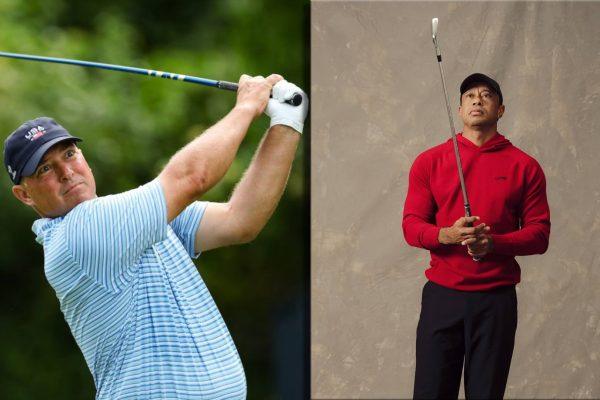
For anyone who grew up watching golf in the 1990s, the name Tiger Woods became synonymous with impossible comebacks. But before the major championships and the fist pumps, there was a sweltering week at TPC Sawgrass in 1994, where a 22-year-old Texan named Trip Kuehne found himself on the wrong side of history. Three decades later, Kuehne still hasn't watched a single replay of that final.
Kuehne, a former U.S. Amateur standout and the older brother of LPGA player Kelli Kuehne, recently opened up about that painful memory on a podcast. He described how he built a commanding six-hole lead over an 18-year-old Woods during the 36-hole final. But Woods, even then, had that cold, relentless competitive fire. He clawed back, hole by hole, to win the first of his three consecutive U.S. Amateur titles.
A friendship forged before the rivalry
What makes the story more layered is the bond the two shared before that championship. Earl Woods and Tiger often stayed at the Kuehne family home during junior tournaments. Tiger even caddied for Trip in a team event. They were friends, not just rivals. That familiarity made the defeat sting even more.
During the podcast, Kuehne recalled how a brief nap in the locker room between rounds left him feeling flat. He also pointed to a few critical club selections and a bunker shot that went wrong on key holes, giving Woods the opening he needed. It wasn't just talent that beat him; it was the accumulation of small mistakes at the worst possible moments.
“I’ve never watched it,” Kuehne admitted. “It’s not something I need to see again. I remember every shot.”
Different paths, same respect
After that loss, their careers diverged dramatically. Woods went on to become a global icon, while Kuehne chose to stay amateur, building a career in finance. He did earn a spot in the 2008 Masters, a testament to his enduring skill. But that 1994 final remains a defining moment, one he’s chosen to keep in the past, not on a screen.
For Latino golf fans, the story resonates beyond the sport. It’s about the weight of memory and the way a single afternoon can shape a life. It also echoes the kind of rivalry that defines so much of our sports culture, like the painful defeats in the USA-Mexico soccer rivalry or the fierce Chivas vs. América clashes that draw crowds in Oakland. These are stories of pride, heartbreak, and the long shadow of a single match.
Kuehne’s refusal to watch the replay isn’t bitterness. It’s a quiet acknowledgment that some moments are too vivid to need revisiting. He’s moved on, but the memory remains, as sharp as the day it happened.