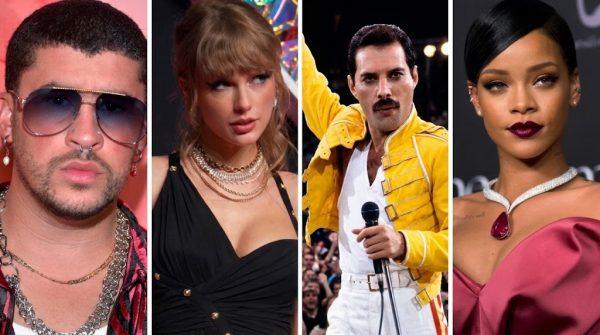
When you hear the name Bad Bunny, you might picture the Puerto Rican reggaeton superstar who has dominated charts and headlines. But behind that playful alias is Benito Antonio Martínez Ocasio, a kid from Vega Baja who turned a childhood nickname into a global brand. Similarly, Freddie Mercury, the flamboyant frontman of Queen, was born Farrokh Bulsara in Zanzibar. These transformations are more than just name changes—they're strategic moves that help artists connect with millions of fans.
Stage names are a time-honored tradition in music, from rock legends to Latin pop icons. They serve a practical purpose: a short, catchy name is easier to chant at a stadium show or to trend on social media. But they also carry cultural weight, allowing artists to reinvent themselves and tell a story that resonates with their audience.
Why stage names matter
For many artists, a stage name is a shield and a spotlight. It lets them separate their public persona from their private life, and it gives fans a symbol to rally around. Consider Eminem, born Marshall Bruce Mathers III. His name is a phonetic play on his initials, M and M, and it became a brand that defined an era of hip-hop. Lady Gaga, born Stefani Joanne Angelina Germanotta, took her name from Queen's song "Radio Ga Ga," a nod to the very genre she would come to dominate.
The Weeknd, born Abel Makkonen Tesfaye, chose his name after leaving home one weekend and never returning. It's a simple story, but it captures the essence of his music—mysterious, nocturnal, and deeply personal. These names are not just labels; they're narratives.
Latin music's own naming traditions
In Latin music, stage names often reflect cultural pride and personal history. Daddy Yankee, born Ramón Luis Ayala Rodríguez, took a name that evokes the streets of Puerto Rico, where reggaeton was born. Maluma, born Juan Luis Londoño Arias, crafted his name from the first two letters of his mother, father, and sister's names—a tribute to family that fans might not expect.
Residente, born René Pérez Joglar, got his name from having to identify himself as a "resident" to enter his gated community in San Juan. It's a name that speaks to class and identity, themes that run through his music with Calle 13 and his solo work. And Duki, born Mauro Ezequiel Lombardo Quiroga, is the pioneer of Argentine trap, a movement that has taken Latin America by storm.
Even the late Celia Cruz, the Queen of Salsa, was born Úrsula Hilaria Celia de la Caridad Cruz Alfonso. Her name was a mouthful, but her stage name was simple and unforgettable. Similarly, Chayanne, born Elmer Figueroa, chose a name that would fit on a marquee and in the hearts of fans across the Americas.
Beyond Latin music: global icons
The tradition extends far beyond Latin genres. Rock and pop legends like David Bowie (David Robert Jones), Elton John (Reginald Kenneth Dwight), and Sting (Gordon Matthew Thomas Sumner) all adopted names that became synonymous with their music. Even modern stars like Bruno Mars (Peter Gene Hernández) and Lana Del Rey (Elizabeth Woolridge Grant) have crafted identities that feel both personal and universal.
These names are carefully chosen to be memorable, marketable, and meaningful. They help artists stand out in a crowded industry and create a connection with fans that goes beyond the music. As the music business evolves, the art of the stage name remains as important as ever.
For Latino artists, the choice of a stage name can also be a statement of cultural identity. Whether it's Bad Bunny embracing his Puerto Rican roots or Rosalía (born Rosalía Vila Tobella) blending flamenco with pop, these names carry the weight of heritage and innovation. They remind us that behind every icon is a person with a story, and that story often begins with a name.
So the next time you hear a song by your favorite artist, take a moment to think about the name they chose—and what it says about them. It's a small detail that reveals a lot about the journey from obscurity to stardom.