Shakira, the Colombian superstar who has long been synonymous with World Cup anthems, found herself at the center of an unexpected controversy after her performance at the 2026 World Cup opening ceremony at the Estadio Azteca in Mexico City. What was meant to be a triumphant return to the global stage quickly turned into a whirlwind of online speculation, with fans questioning whether the person performing was actually Shakira or a body double.
The doubts began almost immediately after she took the stage to perform her hit song Dai Dai alongside Nigerian artist Burna Boy. Observant viewers noticed that Shakira wore dark sunglasses throughout most of the show, a departure from her usual stage presence. Combined with what many described as different physical movements, the performance sparked a wave of memes and conspiracy theories across social media platforms.
The Shakibecca Factor
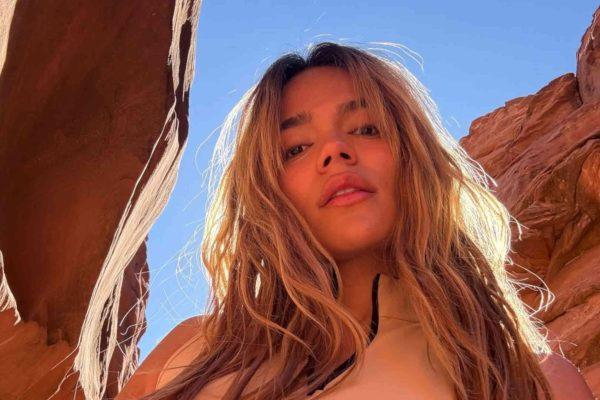
The theories gained traction largely due to the existence of Shakibecca, a Venezuelan impersonator known for her uncanny resemblance to Shakira. Shakibecca has built a career on mimicking the singer's look and dance moves, often fooling casual observers. For many fans, the idea that a double could have been used for such a high-profile event seemed plausible, especially given the logistical challenges of a global tour and the singer's demanding schedule.
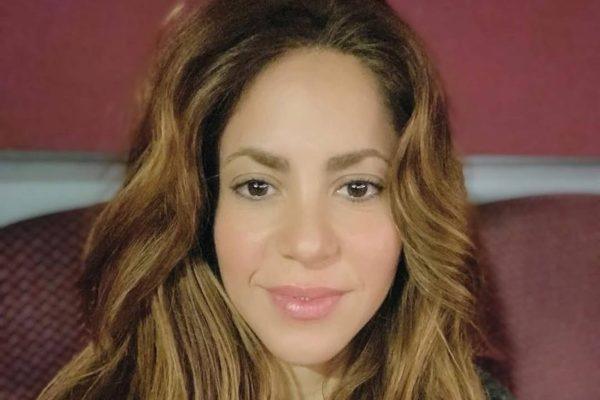
Social media users quickly began comparing screenshots and videos from the performance, pointing out subtle differences in facial features and body language. Some argued that the person on stage appeared slightly taller or had a different jawline, while others noted that the dance style seemed less fluid than Shakira's signature hip movements. The lack of an official response from Shakira or her team only fueled the speculation.
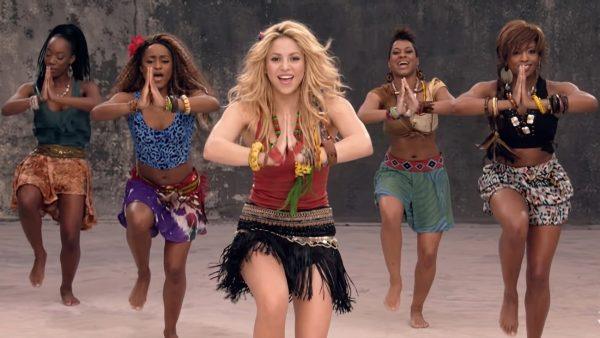
This is not the first time Shakira has been at the center of a World Cup-related controversy. Her 2010 anthem Waka Waka (This Time for Africa) remains one of the best-selling World Cup songs of all time, and she has performed at multiple tournaments since. However, the 2026 edition marks a new chapter, as the event is being co-hosted by the United States, Canada, and Mexico, with the opening ceremony taking place in Mexico City. The performance was part of a broader tribute to football legends Diego Maradona and Pelé, as detailed in our coverage of the World Cup 2026 Opening Ceremony at Estadio Azteca.
The controversy also highlights the deep distrust that pervades today's digital environment, where any minor detail can instantly transform into a viral phenomenon. For a bicultural Latino audience, this story resonates on multiple levels: it touches on the pressures faced by Latin artists on the global stage, the role of impersonators in Latin American pop culture, and the ways in which the diaspora engages with these narratives online.
While Shakira has not yet addressed the rumors, the incident has sparked broader conversations about authenticity and performance in the age of social media. Some fans have defended the singer, arguing that the dark sunglasses could have been a stylistic choice or a way to deal with stage lighting. Others have pointed out that Shakira has been known to experiment with her look and choreography over the years, making it difficult to draw definitive conclusions from a single performance.
As the World Cup continues, the question of whether Shakira performed or used a double remains unanswered. But one thing is clear: the Colombian star continues to captivate audiences, even when she's not on stage. For more on Shakira's World Cup legacy, check out our piece on Shakira's World Cup Journey: From 'Waka Waka' to Halftime History.
The incident also serves as a reminder of the unique challenges faced by Latin artists who achieve global fame. From the pressures of representing an entire region to the scrutiny of every public appearance, the expectations can be overwhelming. Yet, as Shakira has shown time and again, she remains resilient, turning even the most bizarre controversies into opportunities for connection with her fans.
Whether or not the body double theory holds any truth, it has already become a defining moment of the 2026 World Cup's early days. And for Latino audiences across the Americas and the diaspora, it's a story that feels both familiar and fascinating—a blend of pop culture, identity, and the ever-present power of the internet to shape our perceptions.