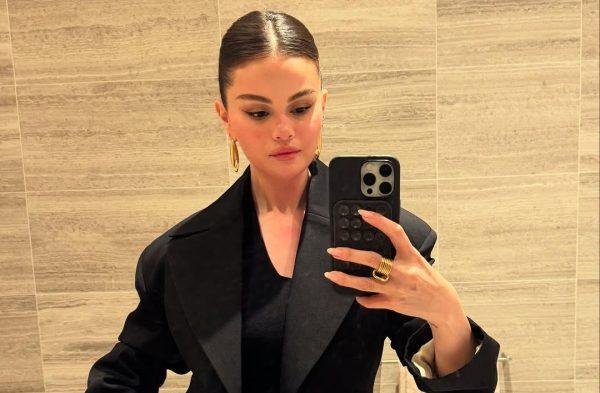
Selena Gomez's business ventures have taken a legal turn. A group of investors has filed a federal lawsuit against the singer, her mother Mandy Teefey, and entrepreneur Daniella Pierson, alleging they were misled about the state of their mental health startup, Wondermind. The complaint, filed Thursday in Delaware, accuses the founders of securities fraud and breach of contract, claiming investors poured nearly $1.2 million into a company that was not what it appeared to be.
These are allegations, and no court has ruled on the merits. But the case pulls back the curtain on a startup that once seemed poised to redefine mental wellness for a generation.
From $100 million valuation to legal scrutiny
Wondermind launched in 2022 with a splash. Backed by a $5 million round led by Serena Williams' venture fund, the company was valued at around $100 million. The pitch was simple: a mental fitness platform with Selena Gomez as the face, capable of reaching hundreds of millions of followers. Investors included prominent venture capital firms, all betting on the power of celebrity to drive engagement.
But according to the lawsuit, the reality inside Wondermind was far messier. Plaintiffs allege that Gomez's promised active involvement in marketing and building the company never fully materialized. They also claim a mobile app, a key part of the pitch, was never developed as planned. The complaint describes a company struggling to meet basic obligations, including paying employees and vendors on time.
Forbes reported in May 2025 that Wondermind had failed to pay some staff and contractors, despite its nine-figure valuation. The investors say they were kept in the dark about these problems until media reports surfaced.
Allegations against Mandy Teefey
Some of the most personal accusations in the lawsuit target Gomez's mother, Mandy Teefey. Plaintiffs allege issues with her conduct and management, including claims involving substance use. Teefey has denied these accusations. The complaint also describes internal conflict among the founders and alleges investors were given misleading information about leadership and resources.
These are serious claims, and they should be treated with caution. The legal process will determine what, if anything, is proven.
A broader question about celebrity startups
This case raises a question that extends beyond Wondermind: when a startup's value is built on a celebrity's influence, what responsibility does that celebrity bear when things go wrong? Gomez's team has not publicly responded to the allegations as of this writing. Her separate philanthropic work through the Rare Impact Fund, which aims to raise $100 million for mental health access, remains distinct from Wondermind's commercial venture.
For Latino audiences, this story hits close to home. Gomez, a Tejano icon and one of the most visible Latinas in entertainment, has long been a voice for mental health awareness. Her recent collaboration with Becky G on the cumbia-infused single 'Te Olvido La La' showed her embracing her roots. But this lawsuit reminds us that celebrity and business don't always mix smoothly.
The plaintiffs are seeking to recover their investment, plus damages and legal fees. The case is in its early stages, and Gomez has yet to file a response. For now, the story of Wondermind serves as a cautionary tale about the gap between perception and reality in the startup world.
As the legal process unfolds, one thing is clear: the shine of a $100 million valuation can fade quickly when the promises behind it are called into question.