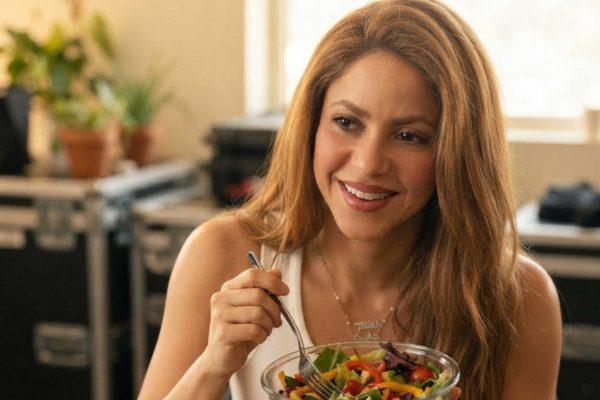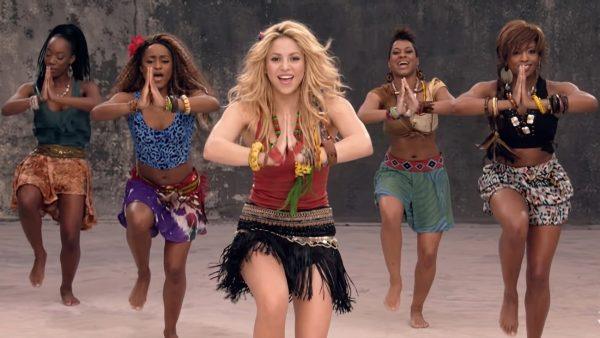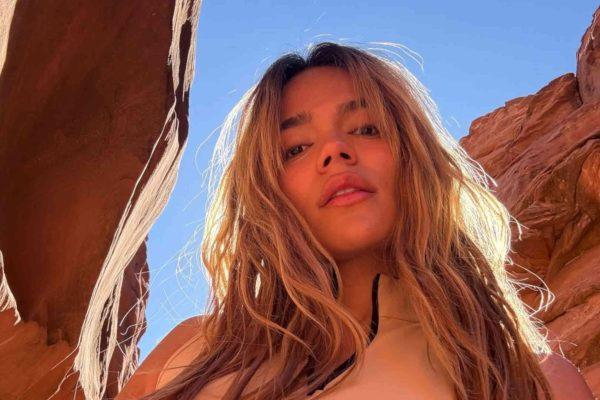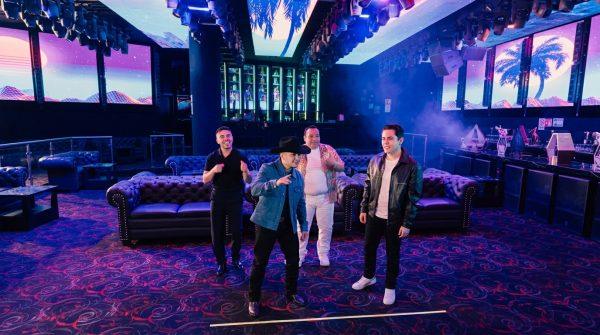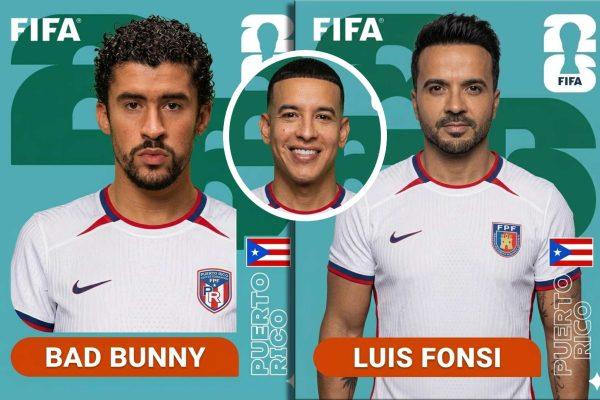
As the world counts down to the next World Cup, a wave of creativity is sweeping across social media, blending the passion for soccer with the energy of Latin music. A fan-made digital project has reimagined some of the biggest names in reggaeton as Panini World Cup stickers, creating a dream lineup that has captivated fans from Puerto Rico to Argentina.
The concept, which first appeared on Instagram, features artists like Bad Bunny, Rauw Alejandro, and Karol G in custom-designed sports kits, framed by the iconic borders of World Cup trading cards. Bad Bunny, the Puerto Rican superstar, is positioned as the team captain, a role that has sparked lively debates among fans about which artists should take the field and who belongs on the bench.
This is not an official Panini release, nor is it tied to any sports organization or artist management. It is a purely fan-driven tribute, a testament to the cultural weight that reggaeton carries today. The project highlights how deeply intertwined soccer and Latin music have become, especially for a generation that grew up collecting sticker albums before every tournament.
Where Soccer Meets Reggaeton
The designs are meticulous: the lighting, the facial expressions, the typography—all mimic the experience of peeling open a fresh pack of stickers. The attention to detail has made the posts go viral, with thousands of shares and comments from fans who see their favorite artists in a new light. Some have even suggested specific positions for each musician, turning the project into a communal game of fantasy football.
This crossover is no surprise. In cities like Bogotá, Buenos Aires, and San Juan, soccer and reggaeton are twin pillars of daily life. The music plays in stadiums, at watch parties, and on the streets during tournament season. As Latino stars have built MLS and now lead World Cup 2026, the connection between the two worlds has only grown stronger.
The project also reflects a broader trend: fans are no longer passive consumers. They remix, reimagine, and create their own cultural artifacts. In this case, they have turned reggaeton artists into collectible icons, blurring the line between music fandom and sports fandom. It is a reminder that in the digital age, the audience holds the power to shape how culture is celebrated.
While these stickers will never be printed or sold in stores, they have already achieved their goal: bringing people together. The comments sections are filled with laughter, nostalgia, and friendly arguments about who deserves a spot in the starting eleven. For a moment, the internet feels like a shared stadium, united by the love of the game and the rhythm of the music.
As the World Cup approaches, expect more of these creative mashups. They are a sign that for Latinos, the tournament is not just about soccer—it is about identity, pride, and the soundtrack that gets us through every match.