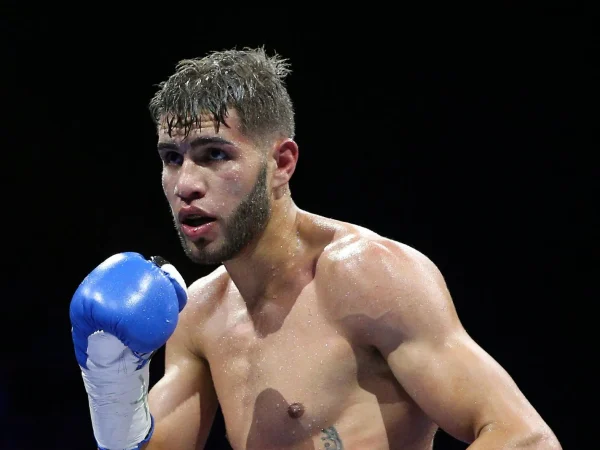
Prichard Colón, the Puerto Rican boxer whose life was forever altered by a devastating brain injury in the ring, has died at the age of 33. His father, Richard Colón, shared the news on social media, thanking supporters for their years of prayers and encouragement. The World Boxing Organization also confirmed his passing, remembering a fighter whose story became a somber chapter in the sport's ongoing conversation about safety.
A life changed in one night
On October 17, 2015, Colón stepped into the ring in Fairfax, Virginia, as an undefeated prospect with a 16-0 record and 13 knockouts. He was just 23 years old, a rising star from Puerto Rico with dreams of a championship. His opponent, Terrel Williams, was a tough test, but the fight took a tragic turn when Colón was repeatedly hit with illegal punches to the back of the head—known in boxing as rabbit punches. Williams was penalized a point in the seventh round, but the damage was already done.
After the bout, Colón complained of dizziness and collapsed in the dressing room. He was rushed to the hospital with a severe brain hemorrhage and underwent emergency surgery. The injury left him in a coma for 221 days, and when he emerged, he faced a long and difficult road to recovery. For the next decade, his family remained by his side, documenting his rehabilitation and turning his story into one of resilience rather than just tragedy.
Questions about fighter safety
The circumstances of that night raised serious concerns about how boxing officials and medical staff handle fighters who show signs of neurological distress. In 2017, Colón's parents filed a lawsuit seeking more than $50 million in damages, naming the ringside physician and other parties connected to the fight. They alleged negligence in how the bout was managed and how Colón's symptoms were treated. The case became part of a broader debate about the sport's duty to protect its athletes, especially when illegal punches are involved.
Colón's story resonated far beyond Puerto Rico. It sparked conversations about the frequency of rabbit punches, the role of referees in stopping fights, and the need for stricter medical protocols. His condition also drew attention to the long-term consequences of head trauma in boxing, a topic that continues to shape the sport today.
A legacy of courage
In the years following his injury, Colón's family shared glimpses of his progress with the public. From small victories in physical therapy to moments of recognition, his journey inspired many. WBO president Gustavo Olivieri expressed condolences, praising Colón for the courage and fighting spirit he showed long after his professional career ended.
While the immediate cause of his death has not been officially announced, it is clear that the brain injury he suffered in 2015 defined the last 11 years of his life. His passing is a reminder of the risks that boxers take every time they step into the ring, and of the importance of prioritizing athlete safety above all else.
For Puerto Rico, Colón was more than just a boxer—he was a symbol of hope and perseverance. His story, though heartbreaking, will not be forgotten. As the boxing community mourns, many will reflect on the need for continued reform to protect fighters like Colón from suffering a similar fate.
Our thoughts are with his family and all those who supported him through the years. His legacy will live on in the conversations he sparked and the changes he inspired.