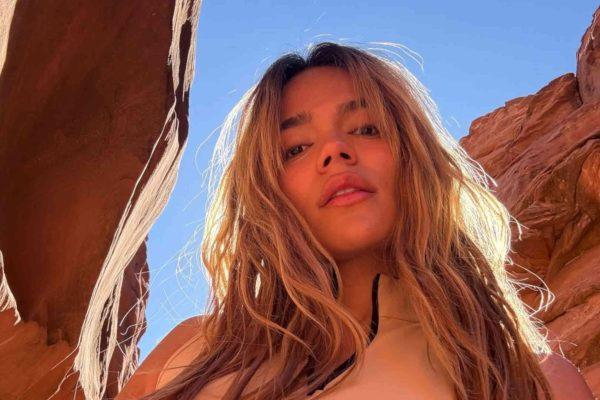
When Oliver Tree died in a helicopter crash in São Paulo, Brazil, on June 14, 2026, the music world lost a singular voice. But the 32-year-old artist left behind more than a catalog of genre-defying tracks — he left a will that has sparked conversation across the Americas about legacy, inheritance, and what it means to own one's art.
Tree's fortune, built from streaming royalties, touring, and a distinctive visual brand, will not go to his direct family. Instead, the entirety of his estate flows into a foundation called Dr. Oliver Tree's Art Grants for Baby Geniuses, a nonprofit entity that will manage all royalties and interest from his body of work. The foundation's mission: to fund new musical talents and scholarship programs, with no control over the principal granted to family members.
This decision was not a posthumous surprise. Days before the crash, Tree discussed his estate plans on the Zach Sang Show, explaining that he never viewed his artistic wealth as personal property. “It belongs to the work,” he said, “and the work belongs to whoever comes next.”
A Philosophy of Creative Reinvestment
Tree understood something many artists learn too late: the market value of music often increases after a creator's death. According to trends tracked by the IFPI Global Music Report, posthumous catalog valuations can climb significantly. Tree designed his foundation to capture that growth and channel it directly into independent talent — especially those who lack the financial backing to break into a competitive global industry.
The structure is unusual for a high-profile artist. While many celebrities leave fortunes to family or charitable trusts with family oversight, Tree's plan explicitly excludes direct descendants from any financial benefit beyond educational expenses. The foundation operates independently of any family claims, a move that redefines traditional expectations around celebrity inheritance and copyright management.
In Brazil, where the crash occurred, authorities including the National Civil Aviation Agency (ANAC) continue their technical investigation. Meanwhile, Tree's inner circle faces a complex legal process to execute his will in a foreign jurisdiction. The case has already prompted reflection among young artists with international reach — particularly those from Latin America and the diaspora — about the importance of estate planning that aligns with personal values.
“This is a disruptive precedent,” said a music industry analyst based in México City. “It challenges the assumption that fame and fortune automatically flow to blood relatives. Tree treated his catalog as a public trust.”
Colleagues in the artistic community have expressed respect for the coherence of Tree's vision. The foundation's name — deliberately playful, like much of his work — belies a serious commitment to creative innovation. By locking his estate into a perpetual grant-making machine, Tree ensures that his legacy will be measured not by what his heirs accumulate, but by what new artists create.
For bicultural Latinos who grew up navigating family expectations and individual ambition, Tree's choice resonates. It echoes a broader conversation about how we define inheritance in a world where intellectual property often outweighs physical assets. As one fan in Bogotá posted: “He didn't leave money to his family. He left a door.”
The Oliver Tree fortune now belongs to the future. Whether that future includes a young producer from São Paulo, a singer from East Los Angeles, or a band from Buenos Aires depends on the grants the foundation awards. Tree's final wish, it seems, was not to be remembered — but to be outgrown.