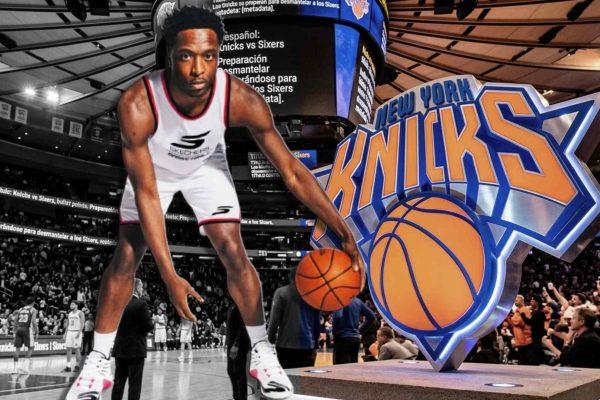
When OG Anunoby quietly left Madison Square Garden during Game 2 against the Philadelphia 76ers, a familiar unease settled over Knicks fans. The team had just taken a 2-0 series lead, but the medical update that followed—a right hamstring strain, day to day—felt like a ghost from the past.
For a fanbase that still remembers the 2024 Eastern Conference Semifinals against the Indiana Pacers, this is more than just a routine injury report. Back then, the Knicks also held a 2-0 lead before Anunoby went down with a nearly identical issue. He missed critical games, returned for a hobbled Game 7, and could barely move on the court. The Pacers eliminated New York, and the lesson was painful: rushing a hamstring injury in high-stakes basketball rarely ends well.
What the Medical Report Actually Says
There is, however, a subtle difference this time. The team did not assign a specific grade to the strain, which often indicates the damage may not be as severe. A Grade 1 strain, for instance, involves minimal tearing and typically heals within one to two weeks. The “day to day” label, while vague, suggests the coaching staff believes Anunoby could return before the series shifts entirely to Philadelphia. That cautious optimism is a small but meaningful shift from the 2024 situation, where the injury was clearly more debilitating from the start.
Still, hamstrings are notoriously unpredictable. Even a mild strain can flare up under the explosive movements Anunoby relies on for his elite defense and corner three-point shooting. The Knicks have to balance their championship ambitions with the reality that pushing him too soon could cost them the entire season.
How New York Survives Without Him
Without Anunoby, the Knicks lose their most versatile defender—a player who can guard positions one through four and disrupt passing lanes with his length. His absence also affects offensive spacing, as defenses respect his three-point shot enough to stay honest. In Game 2, Mikal Bridges stepped up with a scoring burst, and he will need to carry that load consistently. Miles McBride and Jordan Clarkson become even more critical off the bench, while Mohamed Diawara’s ability to slide between forward spots offers a temporary patch.
Josh Hart, already dealing with his own physical discomfort, cannot be expected to cover Anunoby’s minutes alone. The Knicks’ depth, which has been a talking point all season, now faces its toughest test. As they head to Philadelphia for Game 3, the team must rely on collective resilience rather than individual heroics. The Knicks aim to close out the Sixers in Philadelphia with no room for error, but doing so without their defensive anchor will require every rotation player to step up.
This is not just about winning one game. It is about managing a delicate timeline. The Knicks have a real shot at a deep playoff run, but only if Anunoby returns at full strength. Rushing him back for a Game 3 or 4 could lead to a relapse, repeating the 2024 nightmare. Waiting too long, however, might let the 76ers back into the series. That tension—between caution and competitive urgency—defines the Knicks’ immediate future.
For Latino fans following the playoffs from cities like San Juan, Miami, or New York, this story resonates beyond basketball. It is about the familiar struggle of balancing ambition with health, a theme that cuts across cultures. The Knicks are not just a team; they are a symbol of resilience for many in the diaspora. How they handle this setback will say a lot about their character.
In the end, the best strategy might be patience. Let Anunoby rest, trust the bench, and hope that by the time the series reaches its decisive moments, he can be the difference-maker the Knicks need. OG Anunoby's hamstring injury leaves the Knicks facing a tough road ahead without their key defender, but the path is not closed. It just requires a smarter, more disciplined approach than the one that failed them a year ago.