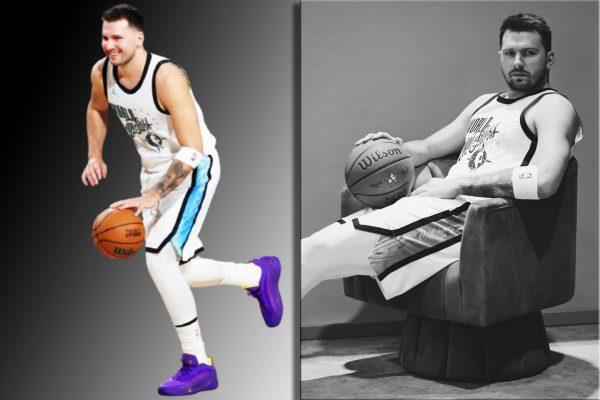
The Los Angeles Lakers return to Crypto.com Arena for Game 3 of their second-round series against the Oklahoma City Thunder, and the question on every fan's mind is whether Luka Dončić will finally suit up. The Slovenian superstar has been pushing hard to return from a grade 2 hamstring strain that has kept him out for nearly a month, but the team's medical staff is proceeding with caution.
Dončić has been seen increasing his on-court activity, including shooting drills and light movement, but he has yet to participate in full-contact practices—a prerequisite for postseason intensity. According to sources close to the organization, his status remains week to week, leaving the door open for a return later in the series but casting doubt on his availability for Game 3.
The Medical Wall Against Luka's Competitive Drive
Despite Dončić's desperate efforts to rejoin the rotation, the Lakers' medical team is prioritizing long-term health over short-term heroics. A grade 2 hamstring strain typically requires four to six weeks of recovery, and rushing back risks a more severe injury that could compromise his career. As one team insider put it, “They're not going to let him play until he's 100 percent, no matter how much he wants to be out there.”
This tension between player desire and medical caution is familiar territory for the Lakers. Earlier in the playoffs, they managed to overcome the Houston Rockets without Dončić, but the Thunder present a different challenge. Oklahoma City's speed, youth, and defensive intensity—led by Chet Holmgren and Shai Gilgeous-Alexander—have overwhelmed Los Angeles in the first two games, exposing the Lakers' lack of a primary playmaker.
As Austin Reaves called out a referee's gesture in Game 2, the frustration in the locker room is palpable. The Lakers need Dončić's ability to break down defenses and create shots for himself and others. Without him, the offense has stagnated, and the Thunder have capitalized.
Strategic Impact and the Odds of a Comeback
Dončić's absence doesn't just affect the scoreboard; it fundamentally alters the Lakers' strategic approach. His perimeter threat forces defenses to stretch, opening lanes for drivers and post players. Without that gravity, Oklahoma City has packed the paint and dared the Lakers to beat them from outside—a challenge they have not met consistently.
The Lakers' bench depth will be tested in Game 3. Players like D'Angelo Russell and Rui Hachimura must step up, but the burden falls heaviest on Anthony Davis, who has been double-teamed relentlessly. The Thunder's defensive scheme has been effective, and without Dončić, the Lakers lack a second elite creator to punish that strategy.
If Dončić cannot return soon, the Lakers' odds of advancing drop significantly. As his recovery timeline extends, the team faces a critical juncture. A loss in Game 3 would put them in a 3-0 hole, a deficit no NBA team has ever overcome. The pressure is on to find a victory and keep the series alive until their star can return.
The atmosphere in Los Angeles is one of maximum urgency. Fans remember the renewed playoff rivalry with the Thunder, and they know that without Dončić, the path forward is steep. But the medical team continues to set the pace, balancing the desire for a championship run with the need to protect one of the league's brightest talents.
For now, the Lakers must find a way to win without their leader. The stage is set for a trial by fire, and the team's depth will be tested like never before. Whether Dončić returns in Game 3 or later, his presence alone has given the Lakers hope—but hope alone won't stop the Thunder.