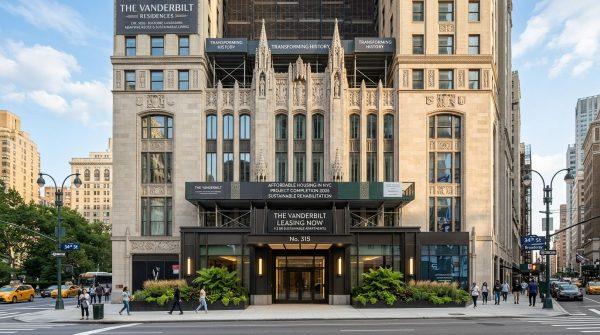
New York City is finding a clever way to tackle its housing shortage: turning old hotels from the 1920s into affordable apartments. Instead of tearing down these century-old buildings, developers are retrofitting them into modern homes, keeping the city's classic skyline intact while offering a lifeline to families struggling with rent.
This approach, known as adaptive reuse, is gaining traction across the five boroughs. By working with existing concrete and steel frames, projects move faster than new construction, getting units to market in record time. It's a practical solution that maximizes what's already there, from the ornate facades to the sturdy bones of these historic structures.
Why Old Hotels Make Sense for Affordable Housing
Hotels from the 1920s were built with layouts that can be surprisingly easy to convert. Large suites become studios or one-bedroom apartments, and common areas transform into community spaces. Developers are installing energy-efficient systems, like LED lighting and modern climate control, to keep operating costs low and environmental impact minimal.
For Latino families in neighborhoods like Washington Heights or the Bronx, where affordable housing lotteries are often the only path to a stable home, these conversions offer a new option. The units are rent-regulated, ensuring they remain accessible over the long term. City officials are also integrating support services on-site, from job training to health clinics, creating a network that helps tenants thrive.
“This isn't just about housing,” says María González, a housing advocate based in East Harlem. “It's about dignity. These buildings have history, and now they'll be part of our community's future.”
Preserving the City's Character
One of the biggest wins is architectural preservation. By keeping the original facades, these projects maintain the unique charm of neighborhoods like the Upper West Side and Chelsea. New residents get to live in a piece of history, with high ceilings, arched windows, and details that modern construction rarely replicates.
This strategy also reduces waste. Avoiding demolition saves tons of materials from landfills and cuts down on the carbon footprint of new builds. It's a sustainable model that other cities are watching closely, especially as affordability becomes a national crisis.
A Model for the Future
The success of these conversions is encouraging more investment in different districts. Policymakers see it as a tool to stabilize neighborhoods facing rapid gentrification, offering a buffer against displacement. For Latino communities, who often bear the brunt of rising rents, this could mean more opportunities to stay in the city they call home.
As New York continues to evolve, these projects prove that you don't have to choose between progress and preservation. The city's past is becoming its future, one affordable apartment at a time.