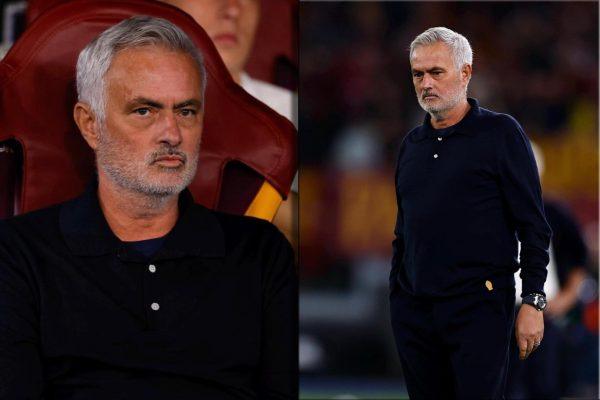
José Mourinho has officially reached the 100-day mark in his second spell as Real Madrid's manager, but the milestone comes with anything but celebration. Despite a solid start—nine wins in eleven official matches since signing a three-year deal in June—the club's executive wing is quietly questioning whether the Portuguese tactician is the right man to steer the ship long-term. The pressure cooker that is the Santiago Bernabéu has a way of turning anniversaries into audits, and this one is no different.
Tactical doubts overshadow early results
The board's unease isn't about the scoreboard, at least not yet. It's about the manner of the victories. Sources close to the club suggest that key decision-makers have been less than impressed with the team's fluidity and dominance in possession, especially against lower-tier opposition. For a club of Madrid's stature, winning isn't enough—it must win with authority, with a style that echoes its galactico DNA. That's where Mourinho's pragmatic approach, effective as it may be, has raised eyebrows among those who expect more than just results.
The upcoming El Clásico against FC Barcelona is more than a rivalry match; it's a referendum. A defeat at the Camp Nou would stretch the gap in La Liga to nine points, a scenario that senior leadership has reportedly deemed unacceptable given the investments made in the squad. The pressure is palpable, and Mourinho knows it. He's been here before, in his first stint, when the club's demands for attractive football clashed with his results-first philosophy.
While the Portuguese has weathered storms throughout his career, this time the winds are blowing from within. The board's patience, historically thin, is being tested by a style that some insiders describe as 'functional but uninspiring.' The question isn't whether Mourinho can win—he's proven that—but whether he can win the way Madrid expects.
Succession whispers: Arteta and Fàbregas on the radar
In the background, the rumor mill is already churning. According to prominent reports, the club's scouting network has been monitoring potential replacements across Europe. Arsenal's Mikel Arteta, who recently extended his contract through 2030, and Como's Cesc Fàbregas, a former Barça and Spain midfielder, are both highly regarded for their modern tactical approaches. Neither has been approached formally, but their names are circulating in the corridors of power.
Arteta's Arsenal has shown a blend of discipline and creativity that appeals to Madrid's hierarchy, while Fàbregas's emerging reputation as a coach who values possession and pressing has caught the eye. However, any move would be premature—the club is focused on the immediate challenge, and drastic changes are unlikely unless the season spirals.
For now, Mourinho's fate rests on the pitch. A strong showing against Barcelona could silence the critics, at least temporarily. But in Madrid, silence is never permanent. The club's history is littered with managers who delivered trophies yet still found themselves out of a job because they didn't fit the aesthetic mold.
This isn't just about one match; it's about the philosophy of the club. Real Madrid has always prided itself on a certain style—elegant, attacking, and dominant. Mourinho's approach, while effective, often feels more like a chess match than a ballet. That tension is at the heart of the current uncertainty.
As the team prepares for the clash in Catalonia, the football world watches with bated breath. Will Mourinho's pragmatism prevail, or will the board's desire for flair win out? The answer could shape the rest of the season and beyond. For fans across Latin America, where Madrid and Barça boast massive followings, this is more than a game—it's a cultural touchstone.
In the meantime, the club's leadership is walking a tightrope. They don't want to overreact to a single result, but they also can't afford to let the season slip away. The next few weeks will be telling. If Mourinho can navigate this storm, he might just earn the trust he needs. If not, the rumors will only grow louder.
For now, all eyes are on the pitch. The Bernabéu expects, and Mourinho knows that in Madrid, expectations are never modest.