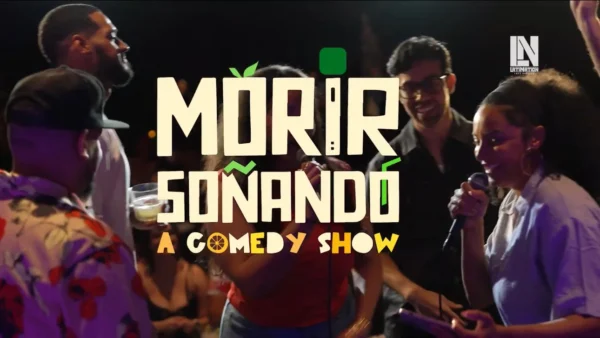
In Los Angeles, a city built on storytelling, a new comedic voice is rising from the heart of the Dominican and Afro Latino community. More than just a night of jokes, the Morir Soñando comedy movement is a powerful assertion of identity, creating a stage where specific cultural experiences are not just included but celebrated. Led by creators Glorelys Mora and Sasha Merci, this initiative is proving that laughter is a profound tool for visibility and connection.
A Stage for Nuanced Stories
The recent Morir Soñando showcase was a testament to the hunger for this representation. The event packed the house, offering an all-star lineup of comedians with Afro Latino roots who delivered sharp, hilarious, and deeply personal material. From witty dissections of family traditions to insightful commentary on navigating multiple identities, the performance was a cultural resonance that mainstream comedy stages often lack.
This mission to elevate traditionally overlooked talent echoes the legacy of platforms like Def Jam Comedy, which launched iconic Black comedians in the 1990s. Morir Soñando carries that torch forward, specifically for Dominican and Caribbean Latino voices, arguing that the absence of these perspectives in Hollywood stems from a lack of opportunity, not a lack of skill or humor.
"We NEED platforms like these in this industry," one audience member emphasized. "We've witnessed how Hollywood and the comedy world operate, and it's time for Afro Latino comedy to shine!"
The impact of seeing one's specific experience reflected on stage is profound. Eliana Reyes, a producer at Latination Media who leads its Afro Latino pillar, Latination Roots, spoke to the significance. "It means the world, because Dominican culture and Caribbean Latino culture is very specific—as is our comedy," Reyes reflected. "When I see groups that are making space for visibility for those nuanced experiences, it feels like I am seen and heard."
She touched on a critical point of identity for many: "Because so many Latinos and Dominicans fall into the category of Black and Latino, sometimes it feels like we are not accepted by either. So it feels great to be accepted by our own community."
Building a Community, One Laugh at a Time
Featuring comedians like Tommy 5000, Ivo Manuel, Nuevayol, and East Los Marquez, the showcase demonstrated the rich diversity of humor within the Afro Latino community. The movement is not confined to a single night; it's about building a sustainable ecosystem where artists can thrive and audiences can find a true sense of belonging. It's a declaration that their stories matter and their culture deserves the microphone, without waiting for an invitation from the mainstream.
This cultural moment in comedy parallels other shifts in Latino entertainment, where artists are taking control of their narratives. Just as Rosalía redefines flamenco and global pop, or as stars like Jennifer Lopez navigate major studio projects, these comedians are carving out their own space on their own terms. They are writing the script for their own visibility.
The energy in the room signaled more than just a successful event; it marked the birth of a necessary institution. In a media landscape that often flattens the vast differences between, say, Mexican, Colombian, and Dominican cultures, Morir Soñando insists on the beauty and humor found in the particulars. It's a reminder that Latin America is a network of distinct cultures, not a monolith.
As this movement grows from Los Angeles to potentially captivate wider audiences, its foundation remains clear: it is built by and for a community ready to laugh, heal, and assert its place in the world. The comedians of Morir Soñando aren't just telling jokes—they're building a home where every punchline also lands as an affirmation.