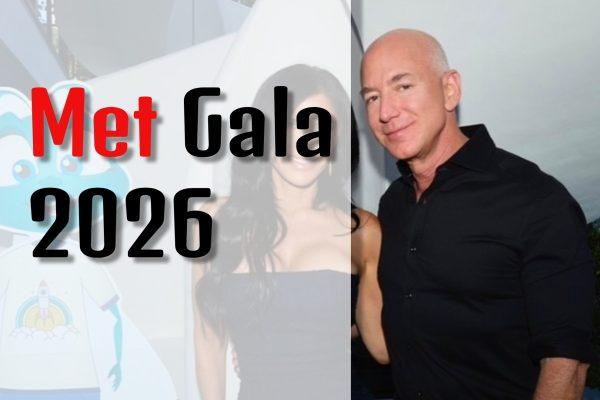
The 2026 Met Gala, held this Monday under the theme "Costume Art," has become a flashpoint for activism as several high-profile celebrities boycott the event over Jeff Bezos' involvement as co-chair and lead sponsor. While Beyoncé, Nicole Kidman, and Venus Williams are serving as co-chairs, stars like Meryl Streep and Zendaya have opted out to protest the Amazon founder's financial influence.
The controversy stems from reports that Anna Wintour received a $10 million donation from Bezos, coupled with rumors of his interest in acquiring Condé Nast, Vogue's parent company. Protesters outside the Metropolitan Museum of Art in New York have displayed slogans linking Amazon to ICE, the U.S. immigration enforcement agency, amplifying calls for a boycott.
High-Profile Absences and Activist Pressure
Among the most notable absences is Meryl Streep, who reportedly turned down a co-chair invitation despite appearing on the May cover of Vogue and having portrayed Wintour's fictional counterpart on screen. Her decision has resonated with other A-listers like Zendaya and New York Mayor Zohran Mamdani, whose absence breaks a long-standing institutional tradition. This shift underscores that the Met Gala is no longer just a celebration of fashion but a stage for debates over corporate influence in culture.
Streep's stance is particularly striking given her deep ties to the fashion world. For more on her career and financial legacy, see Meryl Streep's $100 Million Fortune: A Career Built on Excellence and Savvy.
Silicon Valley Steps In
Despite the boycott, the gala remains a magnet for tech giants. Companies like OpenAI, Meta, and Snapchat have purchased full tables to secure their presence at the year's most exclusive evening. Rumors are swirling about Mark Zuckerberg's first-ever appearance at the event, highlighting a paradigm shift where technological power appears to be replacing traditional Hollywood glamour. Individual ticket prices have reached a record high of $100,000, further emphasizing the event's exclusivity.
This influx of tech money raises questions about the future of fashion philanthropy. As Bezos' involvement draws scrutiny, some wonder if the Met Gala is undergoing an irreversible transformation where artistic patronage is subordinated to the strategic interests of the world's wealthiest men.
Corporate Shadow Over Fashion's Biggest Night
The growing discontent is not limited to celebrities. It also raises questions about the independence of media institutions like Condé Nast, as persistent rumors circulate regarding Bezos' interest in acquiring Vogue's parent company. This potential transaction, combined with the multi-million dollar donation Wintour received, suggests that the Met Gala may be shifting from a purely aesthetic space into a battlefield over corporate influence.
For a broader look at how celebrity culture intersects with business, check out Beyond the Stage: How Latin Music's Top Stars Built Financial Empires.
As the night unfolds, stars are left in a difficult position: choosing between media relevance and personal values. The boycott may be a temporary blip, but it signals a deeper unease about the role of billionaires in shaping cultural institutions.