The narrative of Latin music's global dominance is well-known, but the real story of its top artists is increasingly written on balance sheets. In 2026, the fortunes of the wealthiest Latino stars are built less on streaming royalties and more on savvy investments in beauty, real estate, and branding. This shift marks a move from being celebrated performers to becoming architects of formidable, diversified business empires.
The Podium: A Testament to Longevity and Vision
This year's ranking underscores how decades of cultural influence, paired with sharp business acumen, create lasting wealth. The top spots are held by artists who have transformed their fame into multi-faceted commercial ventures.
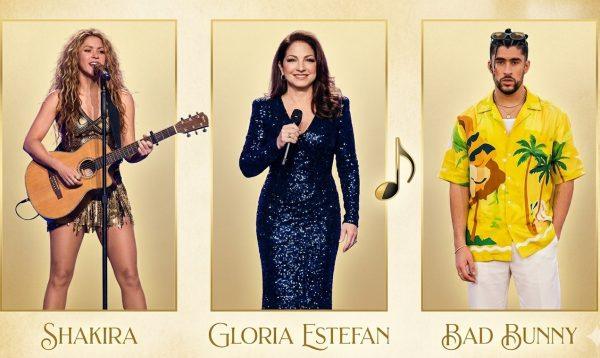
Leading the list is Gloria Estefan, whose net worth is estimated at $500 million. The Cuban-American icon's wealth stems far beyond her record sales. Alongside her husband and producer Emilio Estefan, she has built an expansive portfolio that includes luxury hotels in Miami Beach, popular restaurants, and successful Broadway productions. Her songwriting catalog continues to generate significant, reliable income, proving the power of owning your art.
Close behind is Jennifer Lopez with an estimated $400 million. JLo embodies the modern celebrity corporation. Her empire is built on a trilogy of success: a prolific film and music career, the massively successful JLo Beauty line, and premium advertising partnerships. Her brand is a case study in cross-industry dominance, showing how Latina founders build empires across fashion, beauty and wellness.
In third place, Shakira of Barranquilla, Colombia, holds a fortune of around $300 million. Following a historic global tour and the strategic sale of her music catalog, the singer has solidified her financial standing. Her partnerships with luxury fashion houses and enduring brand appeal keep her at the pinnacle, reigning as the wealthiest musical artist from South America.
The New Guard's Rapid Ascent
The most dynamic shift in the financial landscape is the speed at which newer artists are accumulating wealth. Bad Bunny, for instance, has reached an estimated $100 million, a figure that places him alongside established legends like Daddy Yankee and Enrique Iglesias. The Puerto Rican superstar's strategy extends far beyond music; it includes headline-making stints in WWE, roles in major action films, and fashion collaborations that sell out instantly, demonstrating a masterful monetization of his cultural influence.
This trend of diversification is not limited to the very top. Artists like Pitbull (also estimated at $100 million) have leveraged their "Mr. Worldwide" persona into lucrative corporate sponsorships and equity stakes in beverage companies. Meanwhile, Mexico's Thalía has seamlessly translated her telenovela stardom into a thriving clothing and accessory line with massive sales on both sides of the border.
The Enduring Power of Legacy
While new business models emerge, classic star power remains a potent financial engine. Artists like Luis Miguel ($180 million) and Ricky Martin ($130 million) continue to generate immense wealth through touring. Their ability to sell out stadiums in hours proves that a revered catalog and a loyal fanbase constitute a low-risk, high-reward asset class all its own. Their success is built on nostalgia, but delivered with the precision of a modern global tour.
The 2026 financial snapshot of Latin music's elite tells a broader story of economic empowerment and strategic foresight. It's a world where beauty lines like JLo Beauty compete with industry giants, and where stars are as likely to be in boardrooms as in recording studios. As these artists build their legacies, they are not just defining soundtracks—they are actively reshaping the business of global entertainment, proving that today's success is measured in influence, ownership, and, yes, nine-figure net worths.