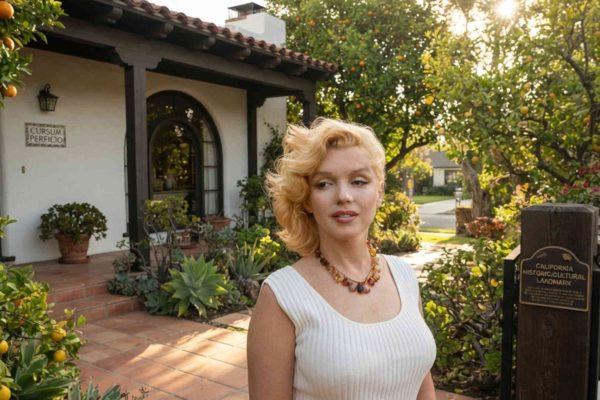
In a victory for preservationists and fans of Hollywood's golden age, Marilyn Monroe's final residence in Brentwood, Los Angeles, has been spared from the wrecking ball. After months of legal wrangling, the city has officially designated the property a historic monument, ensuring that the house—where the iconic actress spent her last months—will remain standing.
The Spanish-style home, built in 1929, is a rare architectural gem in a city that often prioritizes new development over old charm. It features original details that transport visitors back to another era: exposed beam ceilings, terracotta floors, and a front door bearing the inscription Cursum Perficio—Latin for "I complete the course." These elements, along with the home's storied past, made it a target for preservationists who argued that its cultural significance outweighed any private property concerns.
A legal battle over memory and privacy
The fight to save the house was not without drama. The current owners, who purchased the property with plans to tear it down and build a new structure, argued that the historic designation infringed on their rights. They claimed that the constant attention from fans and tourists—drawn to the site of Monroe's tragic death—made the property a burden rather than a treasure. But the city council and local courts disagreed, ruling that the home's historical value was too great to sacrifice.
This case echoes similar battles across the Americas, where communities grapple with how to honor the past while embracing the future. In cities like México City and Bogotá, historic homes often face the same tension between development and heritage. Here in Los Angeles, the decision to protect Monroe's home sends a clear message: some stories are worth preserving, even when they come with complications.
The legal saga also highlights the broader issue of celebrity homes as public landmarks. For many Latinos in the diaspora, Monroe represents an era of Hollywood glamour that feels both distant and familiar. Her films, her style, and her struggles have been part of the cultural fabric for generations, and her home now stands as a tangible link to that legacy.
A legacy etched in tragedy
The Brentwood house is more than just a beautiful example of Spanish architecture; it is the site of one of Hollywood's most enduring mysteries. On the morning of August 5, 1962, Monroe was found dead in her bedroom, the result of a barbiturate overdose. The circumstances of her death have fueled countless theories and investigations, making the home a pilgrimage site for those seeking to understand the woman behind the icon.
Preserving this space allows future generations to connect with that history in a tangible way. It also serves as a reminder of the pressures that come with fame—a theme that resonates across cultures, from the backlash faced by celebrities today to the scrutiny Monroe endured in her lifetime.
For now, the house will remain a private residence, but its new status as a historic monument means that any future changes must respect its character. The city has also hinted at the possibility of limited public access, though details remain unclear. What is certain is that the home will not be reduced to rubble, and that Monroe's presence in Los Angeles will endure.
As the debate over celebrity homes continues, this decision offers a blueprint for how cities can balance private rights with public heritage. It also underscores the importance of remembering the people who shaped our cultural landscape—whether they were born in Hollywood or in the barrios of East LA. Monroe's story, like so many others, is part of the rich tapestry of the Americas, and now her home will stand as a monument to that shared history.