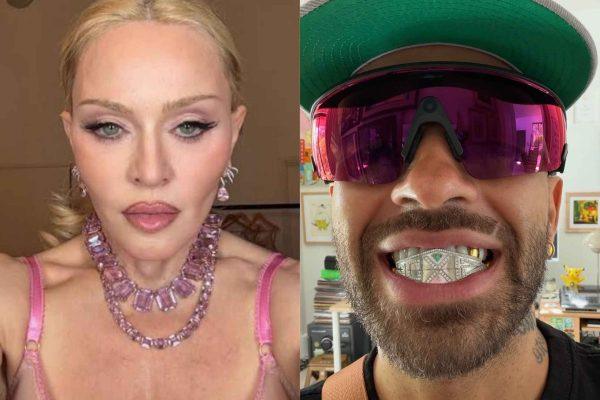
When Madonna taps a Colombian artist for her next album, the music world pays attention. The Queen of Pop has teamed up with Feid, the paisa singer from Medellín known for his raw reggaetón and heartfelt lyrics, on the track Read My Lips. The song, part of Madonna's upcoming Confessions II album dropping July 3, is a bilingual exploration of emotional betrayal and the demand for truth in a relationship.
Feid, whose real name is Salomón Villada Hoyos, has become a defining voice in Latin urban music, blending reggaetón with R&B and pop. His collaboration with Madonna might seem unexpected, but it reflects a broader trend of cross-cultural fusion that has been reshaping global pop. The track's foundation is in English, but Madonna experiments with Spanish lyrics, creating a dynamic contrast that feels both fresh and familiar.
The Meaning Behind 'Read My Lips'
At its core, Read My Lips is about the frustration of dealing with a partner who prefers lies over honesty. Madonna's verses demand transparency, while Feid responds with his signature flow, adding layers of emotional complexity. The song captures the tension of a relationship where words don't match actions—a theme that resonates across cultures. As Feid sings about empty promises and broken trust, the track becomes an anthem for anyone who has felt deceived in love.
The chemistry between the two artists is palpable. Madonna's pop sensibilities meet Feid's gritty urban style, and the result is a song that feels both intimate and anthemic. The bilingual nature of the track is not just a gimmick; it reflects the reality of many bicultural Latinos who navigate between English and Spanish in their daily lives. This is music that speaks to the diaspora, acknowledging that heartbreak knows no language.
A Strategic Collaboration with World Cup Rumors
The release of Read My Lips comes at a pivotal moment. Rumors are swirling that Madonna and Feid might perform together at the 2026 FIFA World Cup halftime show. While nothing is confirmed, the possibility has fans excited. The World Cup, which will be hosted in part by the United States, Mexico, and Canada, is a massive platform for Latin music. If the performance happens, it would be a landmark moment for reggaetón and Latin pop on a global stage.
Feid's rise has been meteoric. From his early days writing hits for other artists to becoming a solo star with albums like Feliz Cumpleaños Ferxxo and Mor, No Le Temas a la Oscuridad, he has carved out a unique space in Latin music. His collaboration with Madonna is a testament to his versatility and the growing influence of Colombian artists in the global market. It also highlights how Latin music is no longer a niche—it's a dominant force.
For Madonna, this collaboration is a strategic move to stay relevant in a rapidly changing music landscape. She has always been a chameleon, adapting to new trends while maintaining her iconic status. By working with Feid, she taps into a younger, bilingual audience that values authenticity and cultural hybridity. The track is a reminder that pop music can be both global and local, blending sounds from New York to Medellín.
The cultural impact of this union extends beyond the music. It signals a shift in how the industry views Latin artists—not just as collaborators but as equals. Feid brings his own fanbase and credibility, and Madonna respects that. The song is not a token gesture; it's a genuine fusion of two distinct worlds. As the summer heats up, Read My Lips is poised to dominate playlists, not just in the U.S. but across Latin America and the diaspora.
In a recent interview, Feid spoke about the collaboration, saying, "Working with Madonna was a dream. She's a legend, but she's also open to new ideas. We wanted to make something that felt real, that captured the pain of love but also the strength to move on." That sentiment is evident in every note of the track.
As fans dissect the lyrics and speculate about the World Cup performance, one thing is clear: Read My Lips is more than just a song. It's a statement about the power of collaboration across borders and genres. For Latinos who grew up listening to Madonna and now dance to Feid, this track feels like a homecoming—a reminder that our stories, in both English and Spanish, deserve to be heard.