There's a new kind of detective work happening on social media. A fresh voice appears on TikTok, the track is catchy, the visuals are polished, and suddenly the artist is everywhere. Then the questions start: Who are their parents? Who's managing them? Was that viral moment engineered?
For a generation raised on algorithms, discovering music now comes with a side of skepticism. The terms "nepo baby" and "industry plant" have become part of everyday vocabulary, especially among Gen Z Latinos who are increasingly questioning the machinery behind fame. The recent buzz around singer Stella Lefty, whose rapid rise sparked online speculation about her family connections, is just one example of this broader cultural shift.
But Latin music offers a fascinating counterpoint. In many Latin American countries, family dynasties in entertainment are not hidden—they're celebrated. The apellido is often the brand itself.
When the Dynasty Is the Point
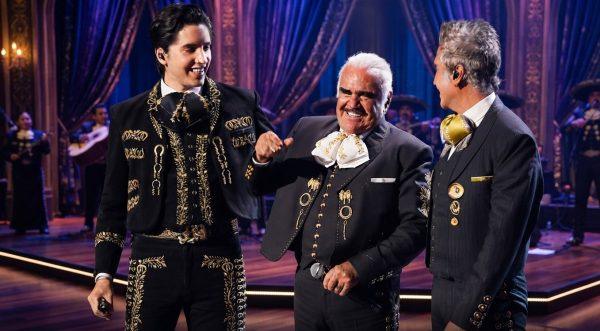
Take the Fernández family of México. Vicente Fernández became a ranchera icon, his son Alejandro built his own legendary career, and now Alejandro's children, Alex and Camila, are carrying the torch. Alex's debut album was literally titled Sigue la Dinastía—"the dynasty continues." No attempt to hide the family ties, no pretense of a self-made rise.
This openness reflects a cultural difference. In Latin America, family lineage is often seen as legado—something inherited, protected, and passed down. It's not just in music; restaurants, businesses, and trades all move through generations. A child following a famous parent isn't automatically seen as a scandal; it's part of a natural order.
That doesn't erase the privilege. A Fernández entering música mexicana starts from a vastly different position than an unknown teenager uploading songs from a bedroom. But the transparency changes the deal with the audience. Nobody is being asked to believe Alex Fernández wandered into a studio by accident. His access is part of the story.
Privilege Opens Doors, but Talent Keeps Them Open
The nepo-baby conversation often misses a key point: connections can get you in the room, but they can't make people care about your music. If famous parents guaranteed success, celebrity families would churn out hitmakers endlessly. They don't.
An introduction, a recognizable surname, and financial backing can buy production and marketing. But none of that ensures listeners will connect with the tenth song. The real test is whether the work can stand on its own.
This is where the debate gets more interesting. Instead of asking "Is this artist a nepo baby?"—which often leads nowhere—we should ask "Does the music hold up?" The answer to that question is what ultimately determines whether a career lasts.
For Latin music, the dynastic model has produced some of the genre's most enduring figures. The Gen Z shift toward more specific cultural labels suggests a desire for authenticity, but the family legacy remains a powerful force in shaping that authenticity.
As the conversation around privilege and opportunity continues, Latin music's approach offers a refreshing alternative: acknowledge the advantages, but let the art speak for itself. The apellido might open the door, but it's the music that keeps people in the room.