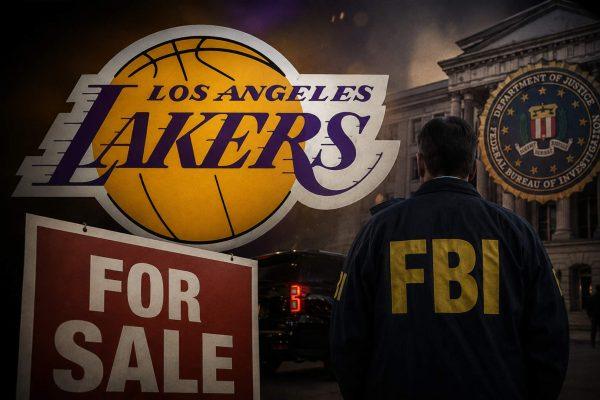
The reported sale of the Los Angeles Lakers by investor Mark Walter—just ten months after he took control—has sent ripples through the sports and financial worlds. While the deal, reportedly valued at around $12.5 billion, would be one of the largest in sports history, it has also brought with it a swirl of unconfirmed rumors. Some media commentators have suggested a connection between the sudden transaction and ongoing federal scrutiny of Walter's business practices, but these remain speculative at best.
What we know about the reported deal
According to reports from outlets like Bloomberg and The Athletic, Bob Iger and Josh Kushner have reached an agreement to acquire the franchise. The reported offer values the team at approximately $12.5 billion, a figure that would shatter records for a North American sports team. The speed of the negotiation—reportedly coming together in just 72 hours—has only intensified speculation about the motivations behind the sale.
Some sources close to the situation maintain that Walter simply seized an extraordinary investment opportunity. Others, however, point to potential financial pressures, suggesting the capital from the sale could be used to address outstanding obligations. Financial analysts are quick to stress that any link between the federal inquiry and the sale remains purely hypothetical. No official charges have been filed, and Walter has not been publicly accused of wrongdoing.
The federal inquiry: what's real and what's rumor
The rumors center on alleged irregularities in loan applications and valuation practices tied to Walter's broader business empire. Yet, as of now, there is no public confirmation from any regulatory body or law enforcement agency regarding an investigation into Walter specifically. The NBA, which has strict vetting procedures for ownership changes, has not commented on the reported sale.
It's important to separate fact from fiction here. The claims circulating in certain corners of the internet are unverified, and reputable financial journalists have been careful to label them as speculation. As one analyst put it, "Drawing a direct line between the sale and the inquiry is a leap that the available evidence does not support."
What this means for the Lakers and the league
If the sale goes through, it would mark yet another ownership transition for the Lakers, a franchise that has seen its share of drama both on and off the court. The new investment group, led by Iger and Kushner, brings a mix of entertainment and tech pedigree, which could signal a new era for the team's business operations. However, the rapid pace of the deal has raised eyebrows among league insiders, who wonder whether such a high-profile transaction can be completed without more thorough due diligence.
The NBA's board of governors would need to approve any sale, and that process typically takes weeks or months. A 72-hour negotiation is unusual, but not unprecedented in the world of sports deals. Still, the league's oversight is designed to protect the integrity of the franchise, and it's likely that the approval process will be anything but routine.
For fans, the news is a mix of excitement and uncertainty. The Lakers are more than a basketball team; they're a cultural institution, particularly for Latino fans across Los Angeles and beyond. The team's games are a gathering place for diverse communities, and any change in ownership inevitably raises questions about the team's future direction.
As the situation develops, the sports world will be watching closely. Until official statements are released by the league or the parties involved, all potential motives behind the sale remain speculative. What is clear is that this story is far from over.