Mark your calendars: the next long weekend in the United States arrives on Friday, June 19, 2026, when the nation observes Juneteenth. Officially recognized as a federal holiday only in 2021, this date—also known as Emancipation Day—honors the end of slavery in the United States and has grown into a vibrant occasion for reflection, celebration, and community gathering.
For bicultural Latinos, Juneteenth offers a chance to connect with a shared history of struggle and resilience. While the holiday centers on African American experience, its themes of freedom and justice resonate deeply across Latin America and the diaspora, where similar battles against colonial legacies and racial inequality continue.
From Galveston to a National Holiday
The story of Juneteenth begins in Galveston, Texas, on June 19, 1865. That day, Union General Gordon Granger arrived with General Order Number Three, informing the last enslaved people in the region that they were free—more than two years after President Abraham Lincoln’s Emancipation Proclamation. The delay reflected the slow reach of federal authority in the South, but the moment marked a definitive turning point.
For generations, African American families celebrated Juneteenth with church services, educational events, and local festivals. The push for national recognition gained momentum after the 2020 protests following George Floyd’s murder, and Congress swiftly passed legislation in 2021. Today, all 50 states acknowledge the day, and it stands as one of 12 official US federal holidays.
How Latino Communities Engage
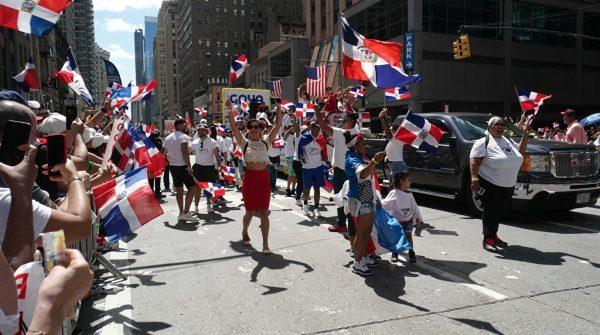
In cities like Los Angeles, Houston, and New York, Latino families increasingly join Juneteenth parades and cultural fairs. The holiday’s emphasis on historical memory aligns with efforts to teach Afro-Latino heritage—a legacy often overlooked in mainstream narratives. For example, in México, the state of Veracruz and the Costa Chica region of Guerrero have deep Afro-Mexican roots, and activists use Juneteenth as a platform to advocate for recognition and rights.
Community discussions during the long weekend often tackle civil rights challenges, from police reform to economic equity. These conversations mirror debates in countries like Colombia, where Afro-Colombian communities in cities like Cali and Cartagena push for land rights and political representation. The holiday thus becomes a bridge between struggles, uniting people across borders.
As you plan your long weekend, consider attending a local Juneteenth event. Many cities host concerts, art exhibits, and food festivals that blend African American and Latino traditions—think comida criolla alongside barbecue, or salsa rhythms mixing with gospel choirs. It’s a reminder that freedom is a universal aspiration, and that our histories are intertwined.
For those interested in broader cultural connections, check out our coverage of Karol G’s recent AMAs win, which highlights how Latin artists continue to shape global music. And if you’re looking ahead to summer festivals, the Sueños Music Festival offers a free stream this weekend, blending reggaeton and hip-hop in a celebration of Latino culture.
Juneteenth is more than a day off—it’s an invitation to learn, celebrate, and act. Whether you’re in Texas, Buenos Aires, or San Juan, the spirit of emancipation calls us to build a more just world.