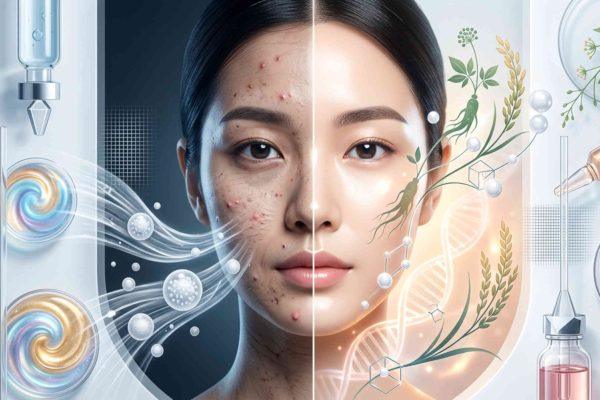
From the bustling streets of São Paulo to the sun-soamed plazas of México City, a quiet revolution is underway in how people care for their skin. Korean skincare technology, long admired for its innovative approach, is now reshaping anti-aging treatments across the Americas—offering a gentler, more effective alternative to the harsh chemical peels and abrasive procedures that have dominated the market for decades.
At the heart of this shift are advanced microstructures and spicules, tiny natural or synthetic needles that create microscopic channels in the skin's surface. These channels allow active ingredients to penetrate deeper without causing pain or damage. In laboratories from Seoul to Los Ángeles, scientists are also harnessing exosomes—cellular messengers that communicate with skin cells to stimulate regeneration and repair. The result: formulas that work with the skin's natural cycles rather than forcing them, reducing inflammation and strengthening the dermal barrier against pollution and UV damage.
Why Latin American Skin Benefits Most
For Latin American consumers, who often deal with hyperpigmentation, melasma, and urban wear from cities like Bogotá or Buenos Aires, this technology is a game-changer. Traditional anti-aging products frequently rely on retinoids or acids that can trigger severe irritation, especially on melanin-rich skin. Korean skincare's focus on gradual, encapsulated delivery minimizes those risks. By protecting sensitive nutrients like growth factors and peptides inside microcapsules, products ensure a controlled release that avoids sudden reactions.
This approach is particularly appealing to younger generations in the United States, where interest in biotech-driven aesthetics is soaring. As Spanish-language pop conquers global charts, so too does the demand for skincare that respects cultural beauty standards—like the coveted "Korean glow"—without compromising on safety or efficacy.
Sustainability Meets Science
Beyond performance, Korean skincare technology is setting new standards for environmental responsibility. Many labs now use biodegradable packaging and vegan ingredients, reducing the ecological footprint of beauty routines. Microfiltration systems prevent oxidation of botanical extracts, ensuring that products remain potent without synthetic preservatives. This green philosophy resonates deeply with Latin American communities, where a connection to nature is often woven into daily life.
Personalization is another frontier. By analyzing digital data on skin type, climate, and lifestyle, brands can tailor formulas to individual needs—whether that means a lighter gel for humid coastal cities like Cartagena or a richer cream for dry highlands like La Paz. This level of customization, combined with clean manufacturing, gives Korean skincare an edge in a market increasingly skeptical of one-size-fits-all solutions.
As consumers demand transparency and purity, this scientific methodology is proving that cellular health and ecological respect are perfectly compatible. For Latinos navigating the pressures of modern life, it offers a path to aging gracefully—without the sting.