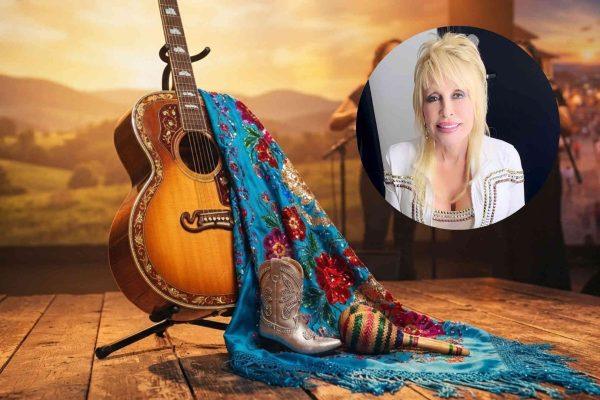
Dolly Parton's songbook has always been bigger than country music. Over the decades, her melodies have traveled far beyond the hills of Tennessee, finding new homes in the rhythms of Latin America. From the accordion-driven cumbias of Mexico to the brass-heavy salsa of Puerto Rico and the dance-floor energy of merengue, her songs have been reshaped by artists who grew up with different sounds but recognized the same universal truths in her lyrics.
This isn't a recent phenomenon. In the 1980s, Puerto Rican singer José Feliciano, known for his own crossover success, teamed up with Parton for a duet that blended their distinct styles. That collaboration opened a door that many others would walk through. More recently, Becky G and Chiquis took Parton's classic "Jolene" and gave it a cumbia makeover, complete with a Spanish-language twist that made it feel like it had always belonged on a Latin playlist. The song became a hit, proving that a good story and a strong melody can adapt to any rhythm.
A legacy that speaks every language
Parton's influence in Latin music isn't just about covers. It's about how her songwriting—rooted in storytelling and raw emotion—resonates with cultures that value the same things. Whether it's heartbreak, resilience, or the simple joys of life, her songs tap into feelings that don't need translation. That's why a cumbia version of "9 to 5" can feel as authentic as the original, and why a salsa rendition of "I Will Always Love You" can bring a crowd to its feet.
Groups like Las Chicas del Can, a Dominican all-female merengue band, took Parton's material and made it their own, infusing it with the infectious energy of their home country. Their versions were more than just tributes; they were reinterpretations that honored the original while adding a layer of Caribbean flavor. This kind of cross-cultural exchange is what keeps both genres alive and evolving.
The connection between Parton and Latin music is also a testament to the power of collaboration. When artists from different backgrounds come together, they create something that neither could have achieved alone. This is evident in the recent Miami concert uniting Latino stars for disaster relief, where music served as a bridge between communities. Similarly, Parton's willingness to lend her songs to Latin artists shows a mutual respect that transcends borders.
For many Latino artists, covering a Parton song is a way of paying homage to a songwriter who has inspired them personally. Becky G, who grew up in California with Mexican roots, has spoken about how Parton's music was a staple in her household. By reimagining "Jolene" with a cumbia beat, she wasn't just making a hit; she was connecting her heritage with the music she loved as a child. This kind of fusion is at the heart of the Latino experience in the United States, where cultures blend and create something new.
The trend shows no signs of slowing down. As Latin music continues to dominate global charts, artists are looking for new ways to honor the classics. Parton's catalog, with its timeless themes and catchy hooks, is a natural fit. Whether it's a cumbia heartbreak anthem from Tini and Los Ángeles Azules or a salsa version of a Parton standard, the possibilities are endless.
This musical bridge is also a reminder that art is not confined by language or geography. Parton's songs have been translated into Spanish, Portuguese, and even Japanese, but the emotion they carry remains the same. For Latino audiences, hearing a familiar melody in a new rhythm is a way of claiming it as their own, while still honoring its origins.
As we celebrate these fusions, it's worth remembering that they are part of a larger tradition of cultural exchange. From the cultural crossroads at Hard Summer to the Latin karaoke classics that fill bars from Los Angeles to Buenos Aires, music has always been a way for people to connect. Dolly Parton's legacy, now woven into the fabric of Latin music, is a testament to that enduring power.
So the next time you hear a cumbia version of "Jolene" or a salsa take on "9 to 5," remember that it's more than just a cover. It's a conversation between cultures, a celebration of shared humanity, and proof that great songs know no borders.