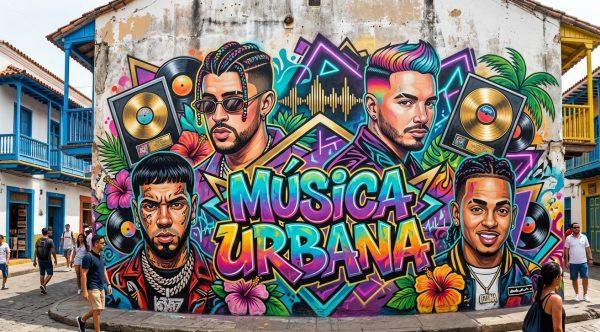
In recent years, urban music has witnessed a seismic shift as top-tier artists from Puerto Rico and Colombia moved beyond isolated singles to release full collaborative albums. This strategic pivot, led by heavyweights like Bad Bunny, J Balvin, Anuel AA, and Ozuna, has not only dominated global playlists but also redefined how Latin music is produced, marketed, and consumed.
These joint projects represent more than just a collection of songs—they are cultural statements that blend distinct regional flavors. The fusion of Puerto Rican reggaetón and Colombian rhythms has created a sound that resonates across the Americas and beyond, proving that collaboration can amplify reach and revenue in the digital era.
The Game-Changing Power of 'Oasis'
When J Balvin and Bad Bunny dropped Oasis in 2019, they didn't just release an album—they ignited a movement. The project seamlessly merged Balvin's Medellín-infused flow with Bunny's raw Puerto Rican edge, resulting in hits like "Qué Pretendes" and "La Canción." The chemistry was undeniable, and the album quickly climbed to the top of global charts, earning critical acclaim for its cohesive production and genre-blending tracks.
This collaboration demonstrated that two distinct artists could set aside egos to create something greater than the sum of its parts. The success of Oasis also highlighted the power of visual storytelling, with vibrant music videos that captured the energy of both artists' worlds. For many fans, it was a masterclass in how to honor individual identities while building a shared sonic universe. For more on Bad Bunny's recent milestones, check out his recognition on Forbes' Iconoclast 50 list.
'Los Dioses': A Trap Masterpiece from Puerto Rico
In early 2021, Anuel AA and Ozuna delivered Los Dioses, a full-length album that brought raw, unfiltered trap to the forefront. Both artists, hailing from Puerto Rico, leaned into their streetwise personas, delivering explicit lyrics over hard-hitting beats. Tracks like "Los Dioses" and "Antes" became anthems for a generation that consumes music primarily through smartphones and streaming platforms.
The album's commercial success was immediate, debuting at number one on Billboard's Top Latin Albums chart. It validated the model of high-profile collaborations, showing that joint projects could generate massive streaming numbers and solidify artists' positions in the industry. The project also underscored the importance of authenticity—Anuel AA's gritty storytelling and Ozuna's melodic hooks complemented each other perfectly, creating a sound that felt both fresh and familiar.
Why Full Albums Beat Singles
The shift from singles to full collaborative albums has transformed the music business. Instead of dropping one-off tracks that might get lost in the shuffle, artists now invest in complete conceptual works. These albums allow for deeper storytelling, more intricate production, and a stronger emotional connection with listeners. For record labels, the payoff is clear: joint albums generate higher streaming numbers, longer engagement, and more lucrative touring opportunities.
This model also fosters a sense of community among fans. When two major artists unite, their respective fan bases merge, creating a larger, more engaged audience. The result is a virtuous cycle of discovery and loyalty that benefits everyone involved. As the industry continues to evolve, these alliances are likely to become even more common, with emerging artists looking to replicate the success of their idols.
What's Next for Urban Collaborations?
New generations of performers are already taking notes. Artists like Rauw Alejandro, Rosalía, and Myke Towers have experimented with collaborative projects, though none have yet matched the scale of Oasis or Los Dioses. However, the blueprint is clear: joint albums are a proven path to global dominance. Major record companies are investing heavily in these ventures, pouring resources into marketing campaigns that flood social media and streaming platforms.
Looking ahead, we can expect more cross-border collaborations that blend not just Puerto Rican and Colombian sounds, but also incorporate influences from Argentina, México, and the Dominican Republic. The future of urban music is collaborative, and the possibilities are endless. For a deeper dive into how these artists are shaping the industry, explore the richest Latino music artists and their impact on global culture.
Ultimately, the rise of joint albums marks a new chapter in Latin music's global ascent. By putting aside individual ambitions and embracing collective creativity, artists like Bad Bunny, J Balvin, Anuel AA, and Ozuna have not only changed the game—they've written new rules for everyone else to follow.