For the first time in five decades, the Grammy Awards are leaving CBS. The 69th edition of music’s most prestigious ceremony will air live across ABC, Hulu, and Disney+ on February 7, 2027, from the Crypto.com Arena in Los Angeles. It’s a seismic shift in how the Recording Academy reaches audiences — and for Latino fans across the United States, it means easier access from phones, tablets, and smart TVs.
The move is part of a broader Disney strategy to own the first quarter of 2027. Alongside the Grammys, the company will also broadcast the Super Bowl (via ABC and ESPN) and the Academy Awards, creating a concentrated block of high-audience events. Rita Ferro, a Disney executive, described the lineup as a way to offer “continuous and attractive programming for both viewers and advertisers.”
What This Means for Latino Music Fans
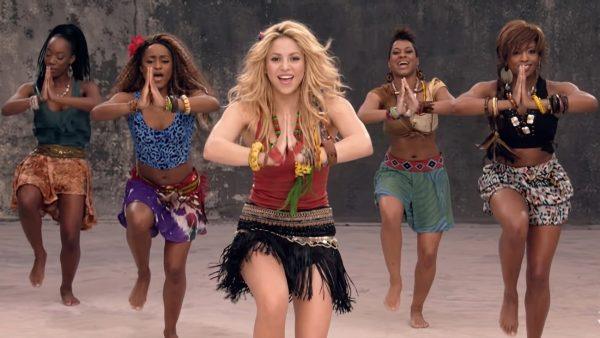
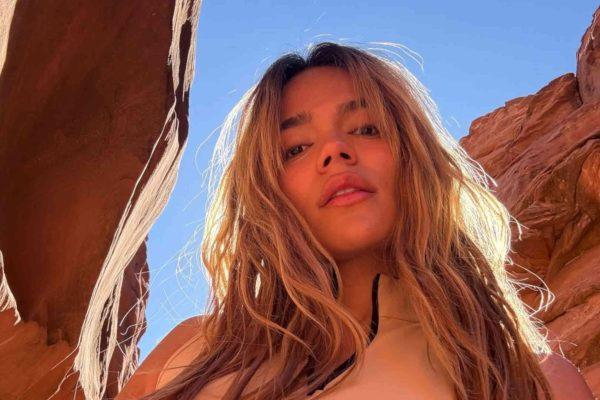
Latin music has become a dominant force at the Grammys in recent years, with artists like Bad Bunny, Rosalía, Karol G, and Shakira taking home golden gramophones. The shift to Disney’s streaming ecosystem could make it easier for fans in México, Colombia, Argentina, and beyond to watch live — though the broadcast rights currently cover only the United States. Still, for the millions of bicultural Latinos living in the U.S., the ability to stream on Hulu or Disney+ removes the need for a cable subscription.
The ceremony will return to the Crypto.com Arena in downtown Los Angeles, a venue that has hosted the Grammys multiple times and sits in a city with one of the largest Latino populations in the country. Los Angeles has long been a crossroads for Latin music and mainstream pop, from the East L.A. sound to the regional Mexican explosion of the 2020s.
Key Dates and Voting Timeline
The road to the 2027 Grammys begins with the announcement of nominees on November 16, 2026. The eligibility period closes in August 2026, meaning any music released between August 2025 and August 2026 will be considered. Academy members will cast their first-round votes from October 12 to 22, 2026, with final voting concluding in January 2027.
While the Recording Academy has not officially confirmed the production team, Ben Winston is expected to remain as executive producer. Winston has helmed the show since 2021, bringing a fresher, more dynamic format that has included surprise performances and cross-genre collaborations. Harvey Mason Jr., CEO of the Recording Academy, called the Disney partnership “a new and bold chapter” that aims to expand the impact of music worldwide.
Disney’s Live-Event Dominance
Disney’s acquisition of the Grammy rights is not an isolated move. It follows a pattern of aggressive live-event programming that includes the American Music Awards, the Oscars, and the Super Bowl. By bundling these events, Disney can offer advertisers a seamless slate of must-watch programming during the first quarter of the year — a period traditionally dominated by awards season and football.
For Latino viewers, the shift also raises questions about representation. The Grammys have historically struggled to give Latin artists their due in the general field categories, often relegating them to the Latin music categories. With Disney’s broader reach, there is hope that more Latin artists will be featured in primetime performances and nominated for top awards like Album of the Year and Record of the Year.
The 2027 ceremony will also mark the first time the Grammys are available on a major streaming platform from the start. While CBS offered a livestream through Paramount+, the Disney+ and Hulu integration could attract a younger, more diverse audience — exactly the demographic that has driven the global rise of Latin music.
As the music industry prepares for this transition, one thing is clear: the golden gramophone is entering a new era. For Latino artists and fans, the hope is that this era brings more visibility, more access, and more recognition for the sounds that move the Americas.