Some movie sets fade into memory, but a few houses take on a life of their own. They become characters in their own right, drawing fans from around the world to stand in the same spot where their favorite scenes unfolded. For bicultural Latinos, these homes often represent more than just architecture—they're bridges to shared cultural moments, whether it's the nostalgia of a Christmas classic or the drama of a beloved romance.
From Chicago's North Shore to the Carolina Lowcountry
In Winnetka, Illinois, a red-brick Georgian sits quietly on a tree-lined street. To most passersby, it's just another affluent home, but to millions, it's the McCallister house from Home Alone. Every holiday season, fans make the pilgrimage to this Chicago suburb, hoping to catch a glimpse of the iconic facade where Kevin McCallister outwitted the Wet Bandits. The house has become so synonymous with the film that it's now a stop on many Christmas-themed tours, a testament to how a single movie can transform a private residence into a public landmark.
Further south, near Charleston, South Carolina, another cinematic home captures a different kind of magic. The plantation-style house from The Notebook—with its sweeping porch and Southern Gothic elegance—has become a shrine for romantics. Fans of the film, based on Nicholas Sparks' novel, often visit the grounds to relive the love story of Noah and Allie. The house, with its white columns and oak trees draped in Spanish moss, embodies a timeless Southern charm that resonates deeply with audiences, including many Latinos who see parallels in their own family histories and traditions.
Minimalism in the Pacific Northwest and the Opulence of the Jazz Age
Switching gears entirely, the Cullen house from Twilight in Portland, Oregon, is a masterpiece of modern architecture. Designed by the fictional architect (and in reality, a composite of several locations), the home features sleek lines, floor-to-ceiling windows, and a seamless blend with the surrounding forest. It's become a mecca for fans of the saga, who often make the trek to the Pacific Northwest to see where Edward and Bella's love story unfolded. The house's minimalist aesthetic, so different from the ornate mansions of other films, speaks to a contemporary sensibility that appeals to a new generation of moviegoers.
Then there's the Gatsby mansion, or rather, the various mansions that stood in for Jay Gatsby's Long Island estate in Baz Luhrmann's 2013 adaptation. The film's opulent sets, inspired by the Gilded Age, capture the excess and tragedy of the American Dream. While the actual filming locations were spread across Australia and New York, the visual impact of those grand ballrooms and sprawling lawns has left an indelible mark on popular culture. For many, these homes represent the allure and danger of wealth—a theme that resonates across cultures, including in Latin American literature and cinema.
From Suburban Fantasy to LA's Independent Spirit
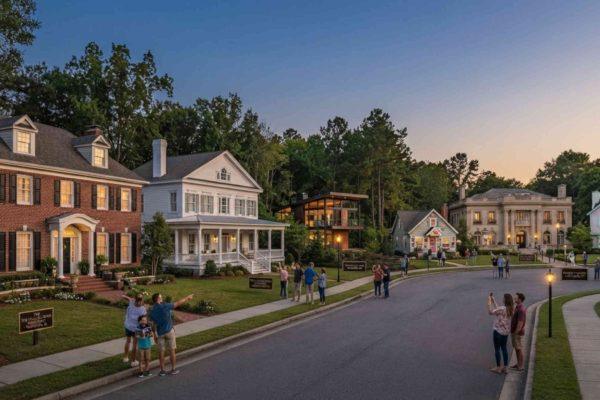
Not all iconic movie homes are grand estates. The pastel-colored neighborhood in Florida where Edward Scissorhands was filmed has become a cult destination. The colorful houses, with their perfectly manicured lawns, stand in stark contrast to Edward's gothic castle, and fans have turned the area into a sort of open-air museum. The community has embraced its cinematic heritage, and visitors can take guided tours to see the famous spots from the film.
In Los Angeles, a modest, eclectic home in the Echo Park neighborhood serves as a reminder that independent cinema can create icons too. This house, featured in the film The Artist (or perhaps another indie darling), has a relaxed, lived-in aesthetic that feels authentic and unpretentious. It's a far cry from the mansions of Beverly Hills, but it's precisely that authenticity that draws film buffs. In a city where celebrity homes are often gated and guarded, this unassuming house is a refreshing nod to the creative spirit that defines so much of LA's film culture.
These homes, whether in Winnetka or Portland, Charleston or Los Angeles, are more than just backdrops. They are cultural touchstones that connect us to the stories we love. For Latinos, who often navigate multiple cultural identities, these landmarks can serve as shared points of reference—places where the universal language of cinema speaks to our own experiences of home, family, and belonging. As we continue to celebrate the films that shape our lives, these houses remind us that sometimes, the setting is just as important as the story.