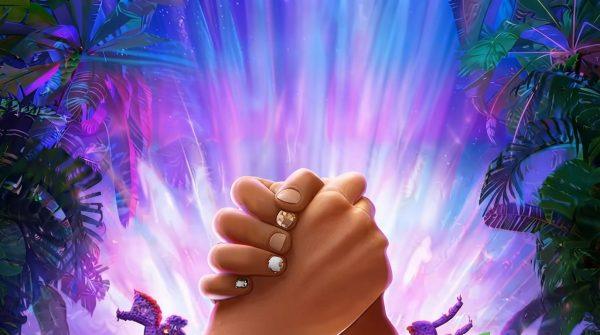
When DreamWorks Animation announced Forgotten Island, few expected it to become a cultural touchstone for two communities separated by an ocean but united by history. Directed by Oscar-nominated filmmakers Joel Crawford and Januel Mercado, the film follows young graduates Jo and Raissa, voiced by H.E.R. and Liza Soberano, as they stumble through a mystical portal into the fantastical island of Nakali. There, they confront mythological creatures and their own fading friendship, with a voice cast that includes Manny Jacinto, Dolly de Leon, Jo Koy, and the legendary Lea Salonga as the fearsome Manananggal.
But beyond the adventure, Forgotten Island serves as a mirror reflecting the deep cultural intersections between Latinos and Filipinos. For many viewers, the film's portrayal of a tight-knit family, led by a powerful matriarch, feels instantly familiar. Sociologists point to the central role of grandmothers—the lola in Filipino culture, the abuela in Latino households—as the glue that holds generations together. This shared reverence for elders, and the Sunday gatherings filled with home-cooked food, are more than just traditions; they are the fabric of daily life for millions of families across the Americas and the Philippines.
More Than a Movie: A Shared Vocabulary
The linguistic echoes between Spanish and Filipino are another reminder of this bond. Words like pamilya (family), oras (time), kutsara (spoon), and kumusta (how are you) are everyday reminders of a colonial history that left a lasting imprint. For a Latino viewer, hearing these words in a Filipino film is like catching a familiar melody in a foreign song—it creates an immediate sense of recognition and warmth.
This cultural resonance is not lost on experts. Media analysts note that when audiences see their own family dynamics reflected on screen, it strengthens the social fabric across borders. The film's executive producer, Mark Swift, who has worked on hits like Shrek and How to Train Your Dragon, aims to tap into that universal emotional core. The result is a story that feels both specific and universal, a celebration of loyalty and memory that transcends geography.
For Latino audiences, Forgotten Island is more than a fantasy adventure; it's a reminder of the ties that bind us to a culture halfway around the world. As the film hits theaters, it opens a conversation about identity, heritage, and the surprising ways we are all connected. Whether you're in México City, Los Angeles, or Manila, the story of Jo and Raissa resonates because it speaks to a shared human experience—one that values family, honors the past, and embraces the future.
In a time when cultural divisions often dominate headlines, Forgotten Island offers a refreshing counterpoint. It's a cinematic bridge that invites us to see ourselves in others, and to celebrate the threads that weave our diverse communities together. For those interested in exploring more about Latino representation in film, check out Hollywood's 2026 horror and sci-fi power list or the Godzilla Minus Zero trailer for more on how Latinos are shaping the big screen.