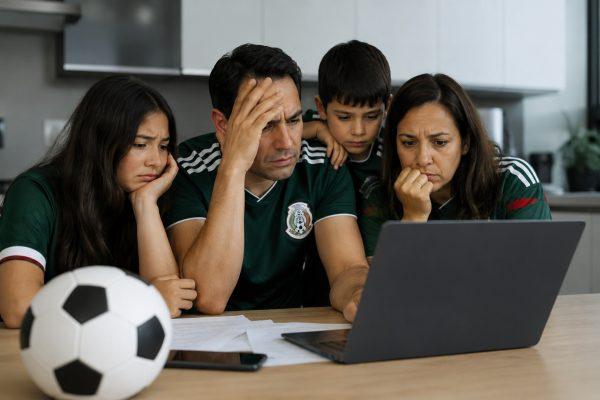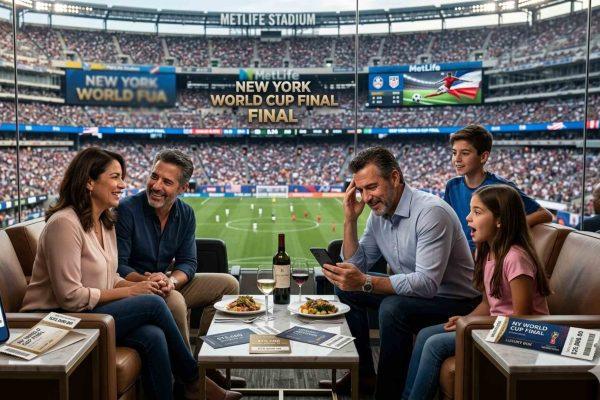
FIFA's decision to implement dynamic pricing for the 2026 World Cup has ignited a firestorm of criticism, particularly among Latino communities across the Americas who have long cherished football as a sport for the people. The final, set to take place at MetLife Stadium in New Jersey, now features top-tier seats priced at nearly $33,000—more than triple the cost of the most expensive tickets for the 2022 final in Qatar, which topped out at around $1,600.
On official resale platforms authorized by FIFA, prices have reached absurd heights, with some listings exceeding $11 million. For many fans from México, Colombia, Argentina, and other Latin American nations, this pricing structure feels like a direct assault on the sport's grassroots traditions. The World Cup has historically been a unifying event, where families and communities save for years to attend matches. Now, it seems reserved for a financial elite.
A Market-Driven Approach That Ignores Cultural Roots
FIFA president Gianni Infantino has defended the pricing, arguing that the tournament takes place in the world's most advanced entertainment market and must follow the laws of supply and demand. But this logic overlooks the deep cultural significance of the World Cup for Latino fans, who make up a substantial portion of the tournament's global audience. The 2026 edition will be hosted across the United States, Canada, and México, with several matches in cities like Los Angeles, Houston, and México City—hubs with large Latino populations.
For many, the high costs are a betrayal of Infantino's earlier promises of inclusivity. The tournament was supposed to be the largest and most accessible in history, but instead, it has become a playground for speculation. Even group stage matches, such as the United States' debut against Paraguay, have seen initial prices of $1,200, which critics across the political spectrum have labeled abusive.
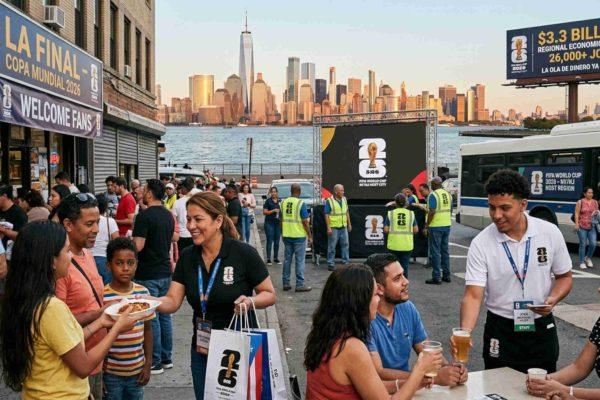
The situation is compounded by the fact that many Latino fans are already grappling with rising costs elsewhere. As World Cup 2026 hotel prices surge in US host cities, the dream of attending matches is slipping further out of reach for working-class families.
The Resale Market: A Circus of Speculation
The resale market has only worsened the problem. Tickets for the final have been listed for as much as $11.4 million, a figure that defies any sporting logic. This dynamic pricing model means that while some tickets may eventually drop in price, the overall trend punishes fans who cannot afford to gamble on last-minute purchases. The reallocation of prime seats to lucrative hospitality packages further underscores FIFA's prioritization of profit over fan loyalty.
This isn't just a financial issue—it's a cultural one. Football in Latin America is more than a game; it's a communal experience, a source of identity, and a way to bridge divides. As philosopher Michael Sandel might argue, the privatization of this experience fragments communities based on wealth. The stands of a World Cup final should reflect the diversity of the sport's fanbase, not just the exclusivity of a wealthy minority.
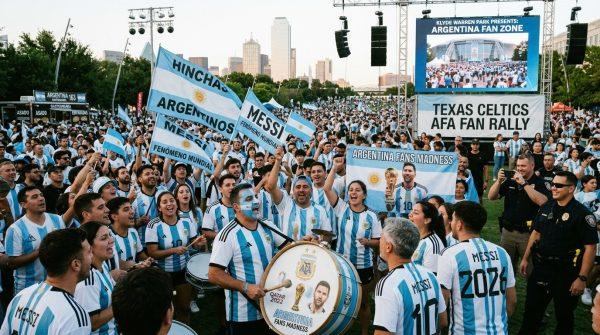
For Latino fans, the outrage is personal. Many have roots in countries where football is a lifeline, a passion passed down through generations. The idea that they might be priced out of attending a tournament hosted partly in their own backyard is a bitter pill to swallow. Some have pointed to the success of events like Karol G's Tropitour, which sold 2 million tickets at accessible prices, as a model for how to balance profit with fan access.
A Call for Change
As the tournament approaches, the gap between FIFA's rhetoric and reality grows wider. Infantino's words about unity and inclusion ring hollow when the stands are filled only with those who can afford a luxury vacation. The 2026 World Cup was meant to be a celebration of the Americas, a chance for fans from Buenos Aires to Brooklyn to come together. Instead, it risks becoming a sterile, elitist gathering that excludes the very people who make the sport vibrant.
For now, Latino fans are left to watch from afar, hoping that FIFA will reconsider its approach. But with ticket prices already set and resale markets booming, the dream of an inclusive World Cup seems further away than ever. The question remains: will the beautiful game survive its own commercialization?